Testing for radon is vital when moving, as it is a naturally occurring, odourless radioactive gas found in the soil and is the leading cause of lung cancer among non-smokers. You should always test during the home-buying process so the seller can address any elevated levels
Testing Radon
Testing radon when moving into a new home is one of the smartest safety checks you can do because radon is invisible, odorless, and impossible to detect without a proper test. The best time to test is before closing if possible, but if you have already moved in, test within the first few weeks and again after major changes to the home.
That is why testing radon when moving into a new home should not be treated like an optional extra. It belongs on the same checklist as the home inspection, roof review, HVAC check, and plumbing inspection. The difference is that radon testing is usually simple, affordable, and quick.
What Is Radon and Why Should New Homeowners Care?
Radon is a naturally occurring radioactive gas that comes from the breakdown of uranium in soil, rock, and groundwater. It can move through the ground and enter homes through foundation cracks, gaps around pipes, sump pits, crawl spaces, floor drains, and other openings.
The concern is not short term exposure during a quick visit. The bigger issue is long term exposure inside a home where radon levels remain elevated. Since people spend a lot of time indoors, especially while sleeping, a home with high radon levels can create unnecessary health risk over time.
Radon is also unpredictable. Two houses on the same street can have different levels. A newly built home can have elevated radon. An older home can have low radon. A house with a finished basement can test high. A house with no basement can still have a problem. The only reliable answer comes from testing.
Why Radon Testing Matters Before You Move In
Testing radon before moving in gives you information when it is most useful. During the buying process, a radon test can help you understand whether the home has a hidden air quality issue before you finalize the purchase.
If the test shows elevated radon levels, you may be able to discuss mitigation with the seller. In many cases, buyers request that a radon mitigation system be installed before closing or that the cost be considered during negotiations.
This does not mean a home with high radon is a bad home. It means the home needs a fix. Radon mitigation is common, and a properly installed system can reduce indoor radon levels significantly. The key is knowing about the issue before you settle in and start unpacking boxes.
If you already purchased the house and skipped radon testing, do not panic. Just test now. The moving truck may have left, but the information is still valuable.
When Should You Test Radon in a New Home?
The ideal time to test radon is during the home inspection period. This gives you enough time to review the results and decide what to do before closing.
If you are already living in the home, test as soon as possible. A short term test can give you a quick snapshot of radon levels. If results are elevated, follow up with a professional evaluation or a longer test depending on your situation.
You should also retest after certain changes, including:
- New HVAC installation
- Basement finishing
- Foundation repairs
- Major sealing work
- Crawl space updates
- Sump pit changes
- New windows or insulation
- Radon mitigation system installation
- Significant changes to home ventilation
Homes change over time. Air pressure changes. Soil conditions shift. Renovations can affect airflow. A test from five years ago does not always reflect current conditions.
Short Term Radon Testing
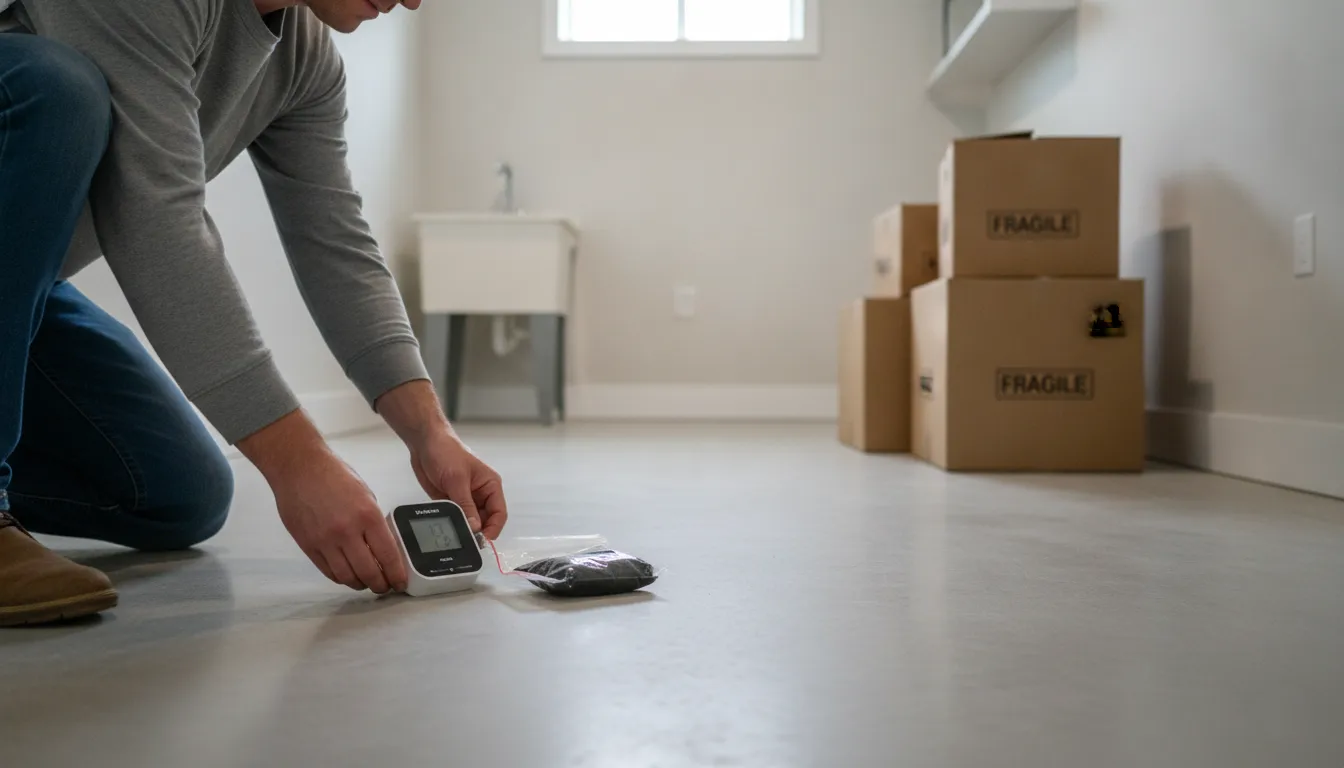
Short term radon testing usually lasts from two to seven days. It is often used during real estate transactions because buyers and sellers need timely results.
A short term test is helpful when you need fast information, but it must be done correctly. Windows and exterior doors should usually stay closed except for normal entry and exit. Fans, fireplaces, and ventilation changes can affect results if used improperly during the test period.
Long Term Radon Testing
Long term radon testing lasts more than 90 days. It gives a broader picture of average radon exposure because radon levels can rise and fall based on weather, season, soil moisture, air pressure, and home ventilation.
For homeowners who have already moved in, long term testing can be a good option. It is especially useful if you want a more complete view of your home’s year round radon pattern.
What Radon Level Is Considered High?
Radon is measured in picocuries per liter, often written as pCi/L. The commonly used action level is 4.0 pCi/L. If your home tests at or above that level, mitigation is recommended.
Lower levels can still carry some risk, so many homeowners choose to reduce radon even when results are below 4.0 pCi/L but still elevated. The goal is simple: reduce avoidable exposure where possible.
How Radon Gets Into a New Home
Radon enters because homes naturally pull air from the soil beneath them. This can happen due to pressure differences between indoor air and the ground. Warm indoor air rises and exits through upper parts of the home, creating a slight vacuum near the foundation. That pressure can pull soil gas inside.
Common entry points include:
- Foundation cracks
- Construction joints
- Gaps around utility lines
- Open sump pits
- Crawl spaces
- Floor wall joints
- Drain tile systems
- Porous concrete
- Basement floor openings
Even homes that look tightly sealed can have radon entry points. In fact, energy efficient homes may sometimes hold indoor air longer, which can allow radon to accumulate if soil gas is entering.
Should New Construction Homes Be Tested?
Yes, new construction homes should be tested. A new home is not automatically radon safe. Modern materials, fresh concrete, and updated building codes do not guarantee low radon levels.
Some new homes include radon resistant construction features, such as gas permeable layers, plastic sheeting, sealed openings, vent piping, or passive radon systems. These features are helpful, but they do not replace testing.
Where Should the Radon Test Be Placed?
The test should be placed in the lowest area of the home that could be used regularly. This does not always mean the basement has to be finished. If the lower level could be used as a living space, office, gym, playroom, or guest area, it is usually a good testing location.
Avoid placing the device near:
- Exterior doors
- Windows
- Vents
- Fans
- Fireplaces
- Bathrooms
- Kitchens
- Laundry areas
- Direct sunlight
- High humidity areas
The device should sit undisturbed for the full test period. Moving it, covering it, or placing it in a poor location can make the result less reliable.
What If the Seller Already Provided a Radon Test?
A seller provided test can be useful, but you should review it carefully. Look at when the test was completed, who performed it, what type of test was used, where the device was placed, and whether closed house conditions were followed.
If the test is old, incomplete, or unclear, it is reasonable to request a new test. If the home has had renovations since the last test, retesting is a smart move.
What Happens If Radon Levels Are High?
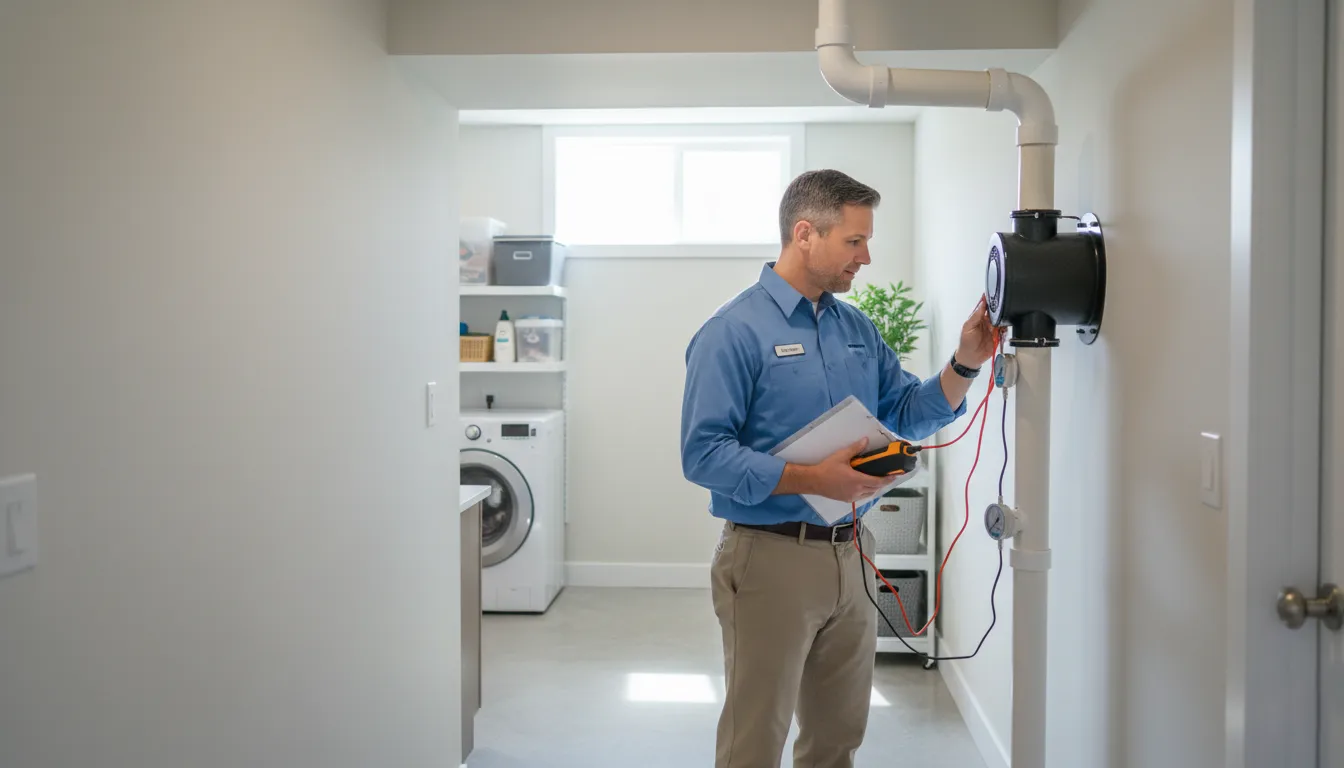
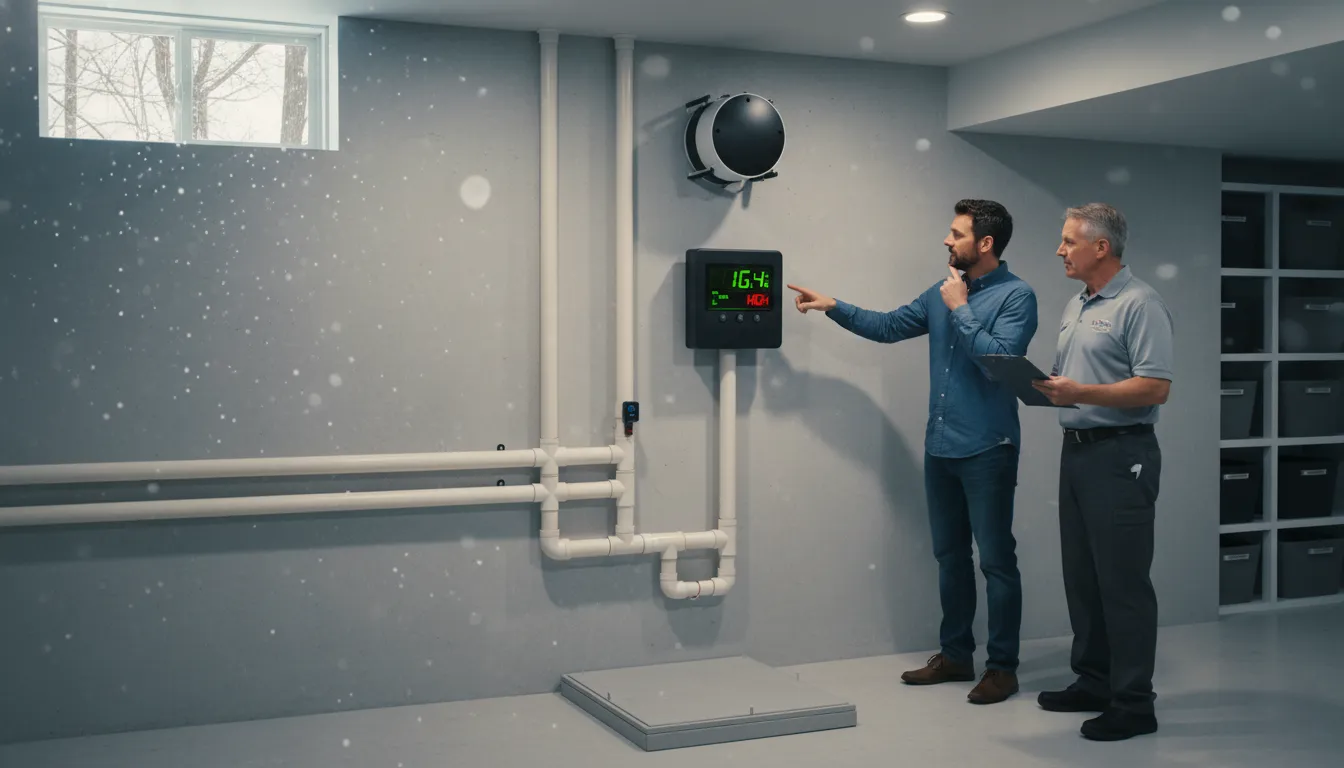
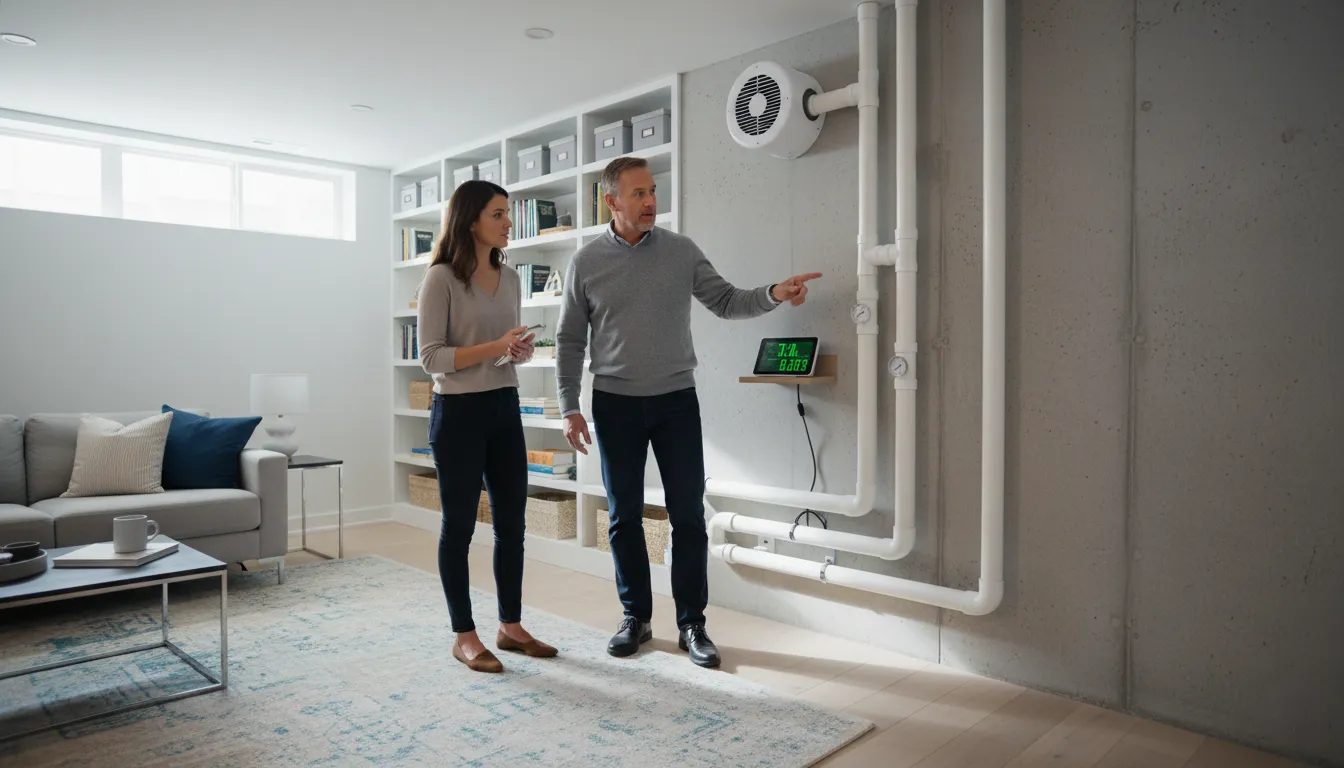
If testing shows elevated radon levels, a radon mitigation system can usually reduce the problem. The most common system is sub slab depressurization. This system uses a pipe and fan to pull radon gas from beneath the foundation and safely vent it outside above the roofline.
Other systems may be used depending on the home’s structure. Crawl spaces, sump pits, drain tile systems, and block walls may require different approaches.
A professional radon contractor will evaluate the home and recommend the right system. Local Radon Mitigation can help homeowners understand test results and choose a practical solution when elevated radon is found.
Can You Move In Before Radon Is Fixed?
In many cases, yes, but you should not ignore the results. Radon risk is usually related to long term exposure, not a few days inside the home. Still, if levels are high, schedule mitigation promptly.
If bedrooms or common living areas are located in the basement or lower level, you may want to limit regular use of those spaces until the issue is addressed. This is especially relevant if the test result is significantly above the action level.
Do You Need to Test After Mitigation?
Yes. Post mitigation testing confirms whether the system is reducing radon levels properly. A system should not be judged only by how neat the pipe looks or how quiet the fan sounds. The result matters.
After installation, a follow up radon test should be completed. Many homeowners also retest every two years or after major home changes. If a mitigation fan fails or the home changes significantly, radon levels can rise again.
A radon system is not something to worry about every day, but it should be checked as part of normal home maintenance.
Radon Testing Checklist for New Homeowners
Use this simple checklist when moving into a new home:
- Test during the inspection period if possible
- Use the lowest livable area of the home
- Follow test instructions carefully
- Keep windows and exterior doors closed during short term testing
- Review results before closing when possible
- Ask about any existing mitigation system
- Check whether the fan is running
- Retest after mitigation
- Retest after major renovations
- Keep test records with home documents
This checklist is not fancy, but it works. A little attention early can prevent a long term problem from being overlooked.
Common Mistakes to Avoid
- One common mistake is assuming the home is safe because it looks clean, updated, or expensive. Radon does not care about granite countertops.
- Another mistake is trusting an old test without checking the date and conditions. A radon test from years ago may not represent the home today.
- Some homeowners also place test kits in the wrong location. A device placed near a window, vent, or humid area may not give a useful result.
- Finally, some buyers skip radon testing because the house already has a mitigation system. That system may be working well, but it still needs to be tested. Systems can fail, fans can stop, and changes to the home can affect performance.
How Often Should You Test After Moving In?
After moving in, test right away if no recent reliable test exists. If results are low, retest every two years or after major home changes. If results are elevated and mitigation is installed, test again after installation to confirm the system works.
You should also test if you start using a basement more often. For example, turning a lower level into a bedroom, office, gym, or playroom increases the importance of knowing the radon level in that space.
Radon testing is not a one time life event. It is a simple home safety habit.
FAQs
Should I test radon before buying a house?
Yes, testing before buying is ideal because it gives you useful information during the inspection period. If levels are elevated, you can discuss mitigation before closing instead of discovering the issue after moving in.
Can a home pass inspection but still have high radon?
Yes, a standard home inspection does not always include radon testing. A house can look structurally sound and still have elevated radon levels because radon comes from soil gas under the home.
Is radon only a basement problem?
No, radon is often higher in basements and lower levels, but it can affect any level of a home. Air movement can carry radon upward, especially in tightly sealed homes.
How long does radon testing take?
Short term radon testing usually takes two to seven days, depending on the device. Long term testing takes more than 90 days and provides a better average over time.
What should I do if my radon test is above 4.0 pCi/L?
You should contact a qualified radon mitigation professional to evaluate the home. A mitigation system can usually reduce radon levels and should be followed by another test to confirm results.
Conclusion
Testing radon when moving into a new home is a small step that can make a big difference. You cannot see or smell radon, and you cannot guess the level based on the age, style, or condition of the house. Testing gives you a clear answer.
The best time to test is before closing, but testing after move in is still valuable. If levels are low, you gain peace of mind. If levels are high, you can take action with mitigation and retesting. Either way, you are making a smarter decision about the air your household breathes every day.