A professionally installed radon mitigation system can last anywhere from 10 to 25 years or more, depending on the system design, fan quality, home conditions, and maintenance. Most radon fans typically operate for around 7 to 15 years before needing replacement, while the piping and sealing components often last much longer with minimal upkeep.
Why Radon Mitigation Systems Last So Long
Radon mitigation systems are relatively simple compared to many home ventilation systems. Most setups include:
- PVC vent pipes
- A radon fan
- Sealing around foundation openings
- A vent point above the roofline
- A monitoring gauge or indicator
Because there are few moving parts, the system can continue operating efficiently for many years. The fan is usually the only component that experiences significant wear over time.
Homes with properly installed systems often maintain safe radon levels for decades with only occasional maintenance.
What Affects the Lifespan of a Radon Mitigation System
Not every home is the same. Soil conditions, moisture levels, climate, and installation quality all influence how long a system performs effectively.
Quality of Installation
A professionally designed system typically lasts longer because it is built for the home’s structure and airflow requirements.
Poor installation can lead to:
- Weak suction performance
- Air leaks
- Fan strain
- Moisture buildup
- Reduced efficiency over time
A properly balanced system places less stress on the fan and maintains consistent airflow.
Fan Quality
The radon fan is the heart of the system. High quality fans from trusted manufacturers are designed for continuous operation.
Lower quality fans may:
- Fail early
- Become noisy
- Lose suction strength
- Consume more energy
Most radon fans run 24 hours a day, so durability matters.
Climate and Weather Conditions
Extreme temperature swings, humidity, and heavy storms can impact exterior components.
Cold regions may experience:
- Pipe condensation
- Ice formation
- Increased fan stress
Humid environments can create excess moisture inside pipes if drainage is not properly managed.
Home Foundation Type
Different foundation styles influence how hard the system needs to work.
Common foundation types include:
- Basements
- Crawl spaces
- Slab on grade foundations
Homes with complex foundations sometimes require stronger fans or additional suction points, which may slightly affect system longevity.
How Long Does a Radon Fan Last?
The radon fan is usually the first component that eventually needs replacement.
Most radon fans last:
- 7 to 15 years on average
- Sometimes longer in ideal conditions
Signs a fan may be failing include:
- Loud humming or rattling
- Reduced airflow
- Higher radon test readings
- No vibration from the fan housing
- Warning signs on the manometer gauge
When a fan fails, the rest of the system often remains intact. Replacing the fan is usually straightforward and far less expensive than installing a new system.
Can a Radon Mitigation System Stop Working?
Yes. Like any home system, performance can decline over time. This does not always mean the entire system failed. Sometimes small issues reduce effectiveness gradually.
Common problems include:
Fan Failure
This is one of the most common radon mitigation problems homeowners experience. If the radon fan stops running because of age, electrical issues, or wear over time, the system can no longer pull radon gas from beneath the home. As a result, indoor radon levels may begin rising again without obvious warning signs. Regular system checks and monitoring can help catch fan failure early.
Pipe Damage
Cracked, loose, or disconnected vent pipes can reduce the suction pressure needed for the system to work effectively. Even small leaks in the piping network may allow radon gas to escape before it is safely vented outdoors. Pipe damage can happen from accidental impacts, poor installation, or long term wear in unfinished basement areas.
New Foundation Cracks
Homes naturally shift and settle over time. As foundations move, new cracks can form in basement floors, walls, crawl spaces, or around utility penetrations. These openings create additional pathways for radon gas to enter the home, which may reduce the effectiveness of the original mitigation setup if the new entry points are not sealed properly.
Changes in Air Pressure
Major home upgrades can sometimes affect how air moves throughout the property. Renovations, new HVAC systems, insulation upgrades, replacement windows, or changes in ventilation can alter indoor air pressure balance. These airflow changes may unintentionally increase radon movement into the home or affect the performance of the mitigation system.
Moisture Issues
Condensation inside the vent pipe can interfere with proper airflow, especially if the system was not designed with adequate drainage or proper pipe slope. In colder climates, moisture buildup may even freeze inside sections of the piping, partially blocking ventilation. Excess humidity and water intrusion around basement areas can also place additional strain on the overall system over time.
How to Know if Your Radon Mitigation System Is Still Working
The best way to verify performance is through regular radon testing. Even if the fan appears functional, testing confirms whether indoor radon levels remain low.
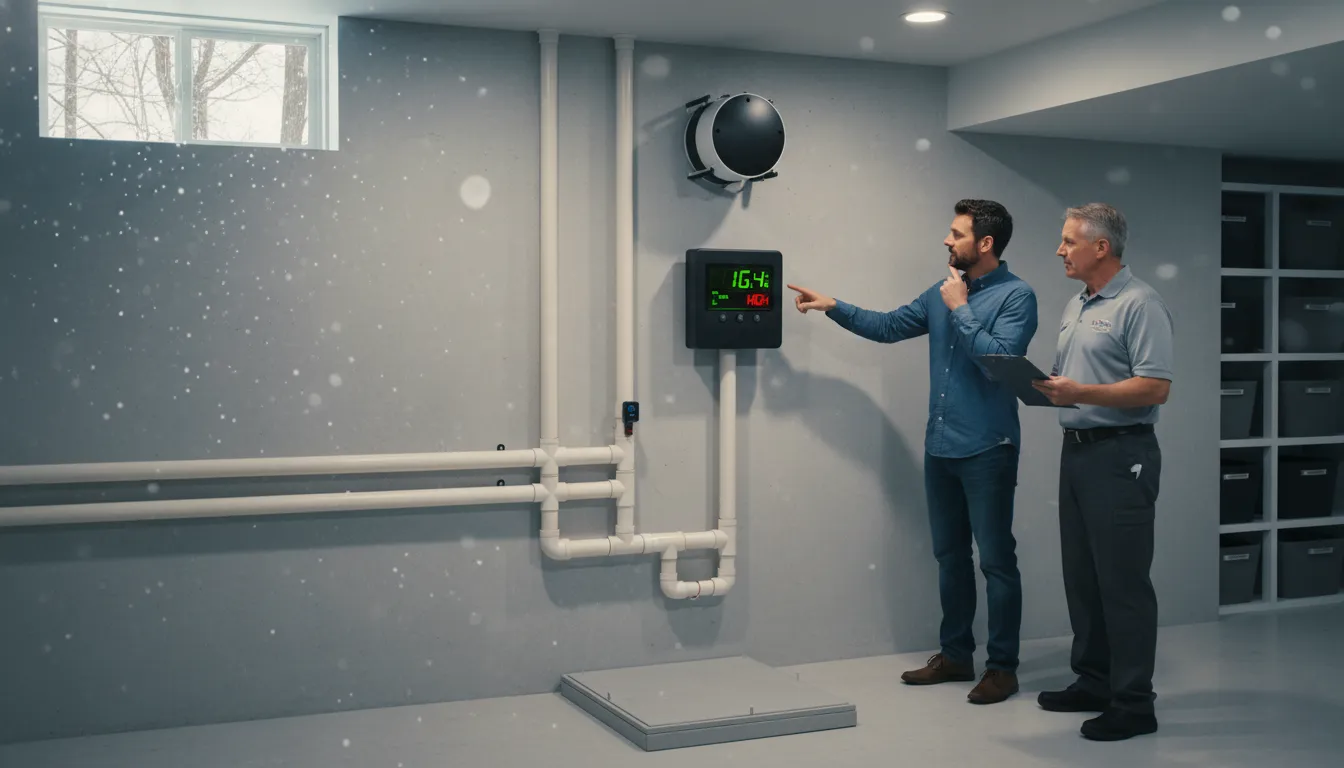
Check the Manometer Gauge
Most systems include a U shaped gauge called a manometer.
This gauge measures pressure differences in the pipe system. If the reading changes drastically or shows no pressure difference, the fan may not be working correctly.
Listen for the Fan
- A working fan often produces a soft humming sound.
- Sudden silence or unusual noises can indicate mechanical problems.
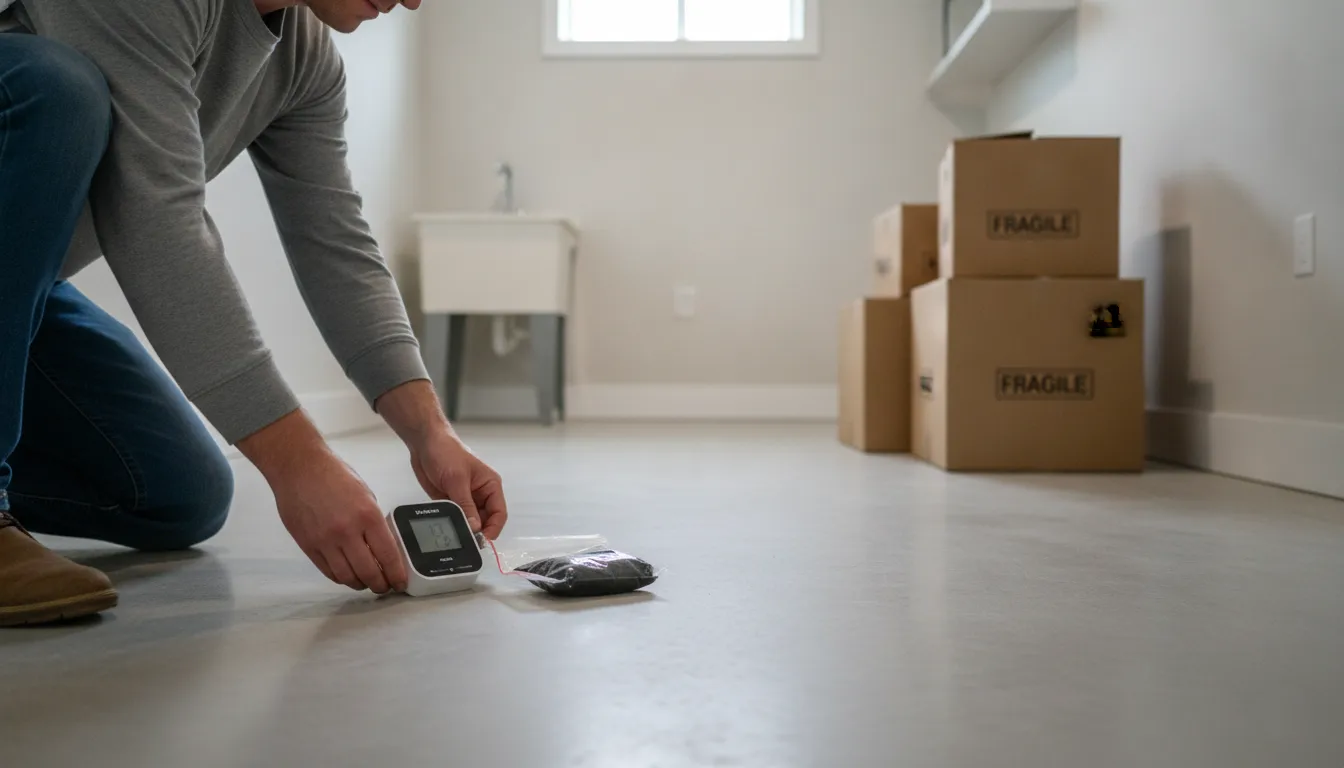
Schedule Regular Radon Testing
Experts generally recommend testing:
- Every 2 years
- After major renovations
- After replacing windows or HVAC systems
- When buying or selling a home
Testing is the only reliable way to confirm ongoing protection.
Does Radon Mitigation Require Maintenance?
Radon mitigation systems require very little maintenance compared to heating or cooling systems.
However, a few routine checks help maximize lifespan.
Recommended Maintenance Tasks
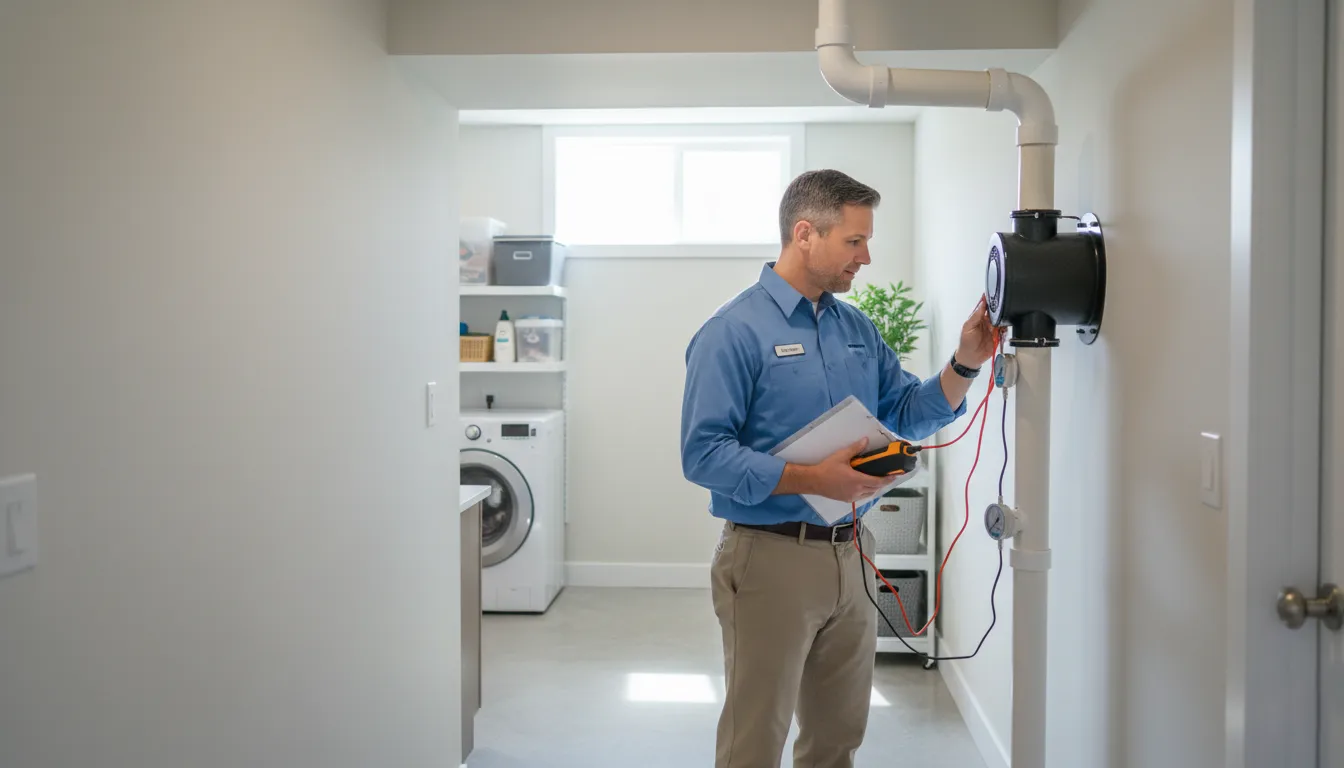
Inspect the Fan
Check the radon fan regularly for unusual noises, rattling, vibration changes, or signs of wear. A properly functioning fan should operate consistently and quietly. If the sound suddenly changes or the fan becomes silent, it may indicate reduced performance or complete system failure that could allow radon levels to rise again.
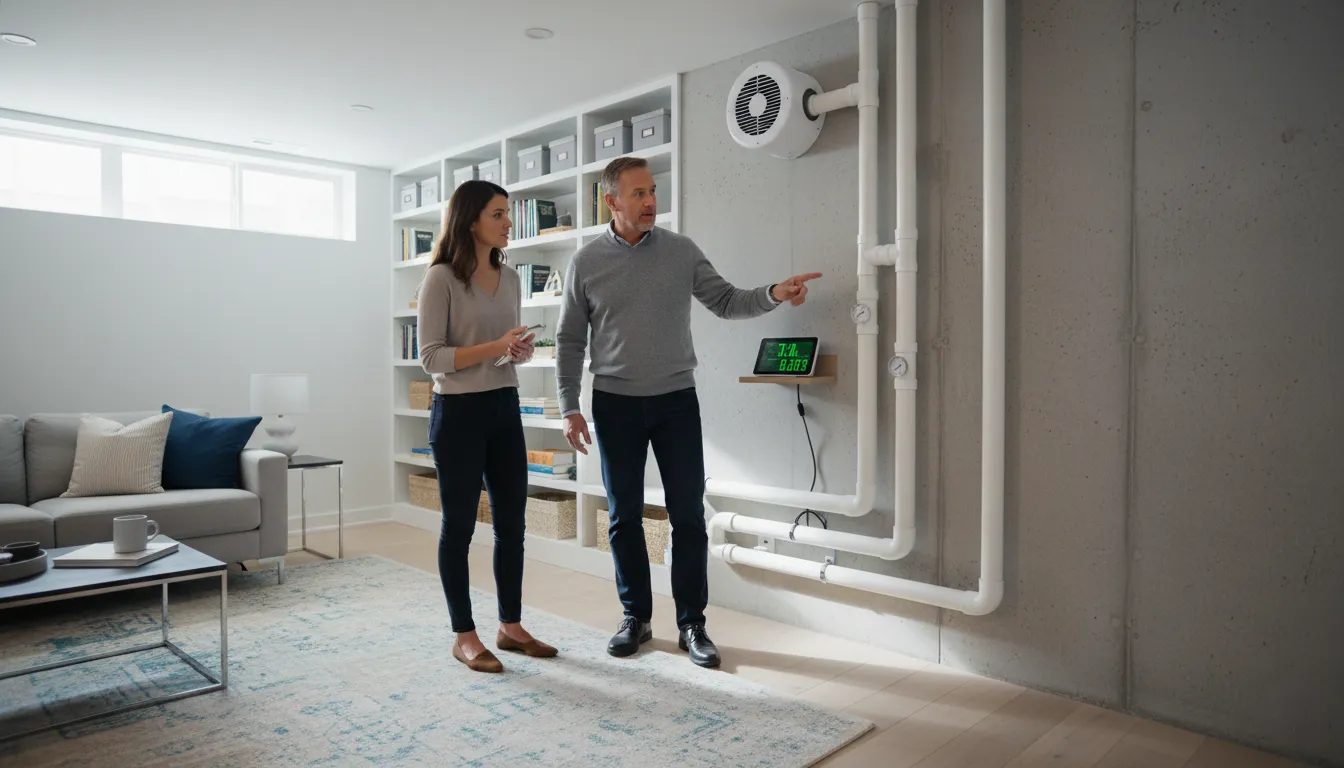
Monitor the Gauge
Most mitigation systems include a manometer or pressure gauge that helps confirm the system is operating correctly. Make sure the pressure readings remain stable and consistent over time. Sudden changes in the reading may signal airflow problems, pipe leaks, or fan performance issues that should be inspected promptly.
Test Radon Levels
Routine radon testing is one of the best ways to confirm the mitigation system continues reducing indoor exposure effectively. Even if the system appears operational, periodic testing helps verify that radon levels remain within safe ranges as the home ages and environmental conditions change.
Check Exterior Pipes
Inspect exterior vent pipes and discharge points after severe storms, heavy winds, or extreme winter weather. Debris, ice buildup, physical damage, or loose pipe connections can interfere with proper airflow and reduce the system’s overall efficiency.
Seal New Cracks
Foundation cracks and small openings can develop naturally as homes settle over time. These new entry points may allow additional radon gas to enter the home and place more strain on the mitigation system. Sealing cracks when they appear helps maintain system performance and improves long term radon control.
What Happens If You Never Replace an Old System?
An aging or failed system can allow radon levels to rise without obvious warning signs. Since radon gas is invisible and odorless, homeowners often do not notice a problem until testing reveals elevated levels.
Long term radon exposure is associated with lung cancer risk, especially among smokers and former smokers. According to the United States Environmental Protection Agency and the World Health Organization, radon remains one of the leading environmental causes of lung cancer.
That is why long term monitoring matters even after a mitigation system is installed.
Can You Extend the Life of a Radon Mitigation System?
Yes. Small preventive steps can significantly improve long term performance.
Choose Professional Installation
A professionally designed and installed radon mitigation system typically experiences less airflow resistance, better suction performance, and fewer long term operational issues. Certified installers understand how to position vent pipes, suction points, and fans correctly for maximum efficiency and durability.
Avoid DIY Fan Replacements
Replacing a radon fan without proper experience can reduce system efficiency or create potential electrical and ventilation hazards. Incorrect fan sizing, poor sealing, or improper wiring may prevent the system from maintaining safe radon levels inside the home.
Keep Vent Pipes Clear
Outdoor obstructions around vent pipe outlets, such as debris, snow buildup, nests, or nearby objects, can interfere with proper airflow. Periodically checking exposed piping and exhaust areas helps ensure the system continues venting radon gas effectively.
Address Water Issues Quickly
Excess basement moisture, water intrusion, or drainage problems can impact the performance and lifespan of a mitigation system over time. Managing humidity and resolving leaks early can help protect both the radon system and the surrounding foundation area.
Retest After Home Improvements
Major home upgrades such as insulation improvements, HVAC replacements, basement finishing, or home additions can change indoor air pressure conditions. Retesting after renovations helps confirm that the mitigation system is still operating effectively and maintaining safe radon levels.
Are Older Radon Mitigation Systems Still Effective?
Many older systems continue working well if maintained correctly.
However, some older systems may:
- Use outdated fan technology
- Operate less efficiently
- Lack modern monitoring features
- Need upgraded sealing methods
If your system is over 15 years old, a professional inspection can help determine whether upgrades would improve performance.
Should You Replace the Entire System or Just the Fan?
In many cases, only the fan needs replacement.
The vent piping and foundation sealing can often remain in place for decades if properly installed.
A full replacement may only be necessary when:
- The original design was ineffective
- The home underwent major structural changes
- The system was poorly installed initially
- Additional suction points are needed
How Much Does Maintenance Typically Cost?
Routine maintenance costs are generally low.
Typical expenses include:
- Radon testing kits
- Professional inspections
- Fan replacement after years of operation
Because the system operates continuously, replacing a worn fan is considered normal long term upkeep rather than a system failure.
FAQ
How often should a radon mitigation system be tested?
Most experts recommend testing every two years or after major home renovations or HVAC changes.
Does a radon mitigation fan run all the time?
Yes. The fan operates continuously to maintain negative pressure beneath the home.
Can a radon mitigation system fail silently?
Yes. Radon gas has no smell or color, so testing is necessary to confirm system performance.
How do I know if my radon fan stopped working?
Signs include unusual noises, no vibration, abnormal manometer readings, or increased radon levels during testing.
Is it expensive to replace a radon fan?
Fan replacement is usually much less expensive than installing a completely new mitigation system.
Conclusion
Radon mitigation systems are built for long term performance and can protect a home for decades when properly maintained. While the fan may eventually require replacement, most system components remain effective for many years with minimal upkeep.
The key is simple: test regularly, monitor the system occasionally, and respond quickly to any warning signs. A small amount of maintenance can keep indoor air safer and help your mitigation system continue doing its job long into the future.