Yes, radon mitigation can fail if the system is poorly designed, improperly installed, damaged over time, or not maintained correctly. Even homes with mitigation systems can still show elevated radon levels when fans stop working, suction points are ineffective, or new air leaks develop in the foundation.
Radon mitigation systems are designed to reduce radioactive radon gas inside homes before it reaches dangerous indoor levels. In many cases, they work extremely well. But like any mechanical or ventilation system, problems can happen. A mitigation system that worked perfectly a few years ago may slowly become less effective without the homeowner realizing it.
This article explains why radon mitigation systems fail, the most common warning signs, and what homeowners can do to fix the issue before radon exposure becomes a serious health concern.
What Is Considered a Failed Radon Mitigation System?
A radon mitigation system is considered unsuccessful when indoor radon levels remain above the EPA action level of 4 pCi/L after installation or when radon levels rise again later.
In some homes, the system may reduce radon partially but not enough to make the indoor environment safer long term.
A failed system may include:
- A fan that no longer operates
- Poor suction beneath the slab
- Improper vent pipe placement
- Air leaks in the basement or crawl space
- Incorrect system sizing
- Water or condensation damage
- Blocked exhaust pipes
- Foundation changes over time
The important thing to understand is this. A mitigation system is not something you install once and forget forever. Homes shift. Fans wear out. New cracks appear. Air pressure changes seasonally. All of these factors can affect performance.
Common Reasons Radon Mitigation Systems Fail
Poor Initial Installation
This is one of the biggest causes of mitigation failure.
Some contractors install systems without properly testing soil communication beneath the foundation. Others may use undersized fans or place suction points in ineffective locations.
A radon system should never be treated like a one size fits all installation. Every home behaves differently depending on:
- Foundation type
- Soil conditions
- Basement layout
- Crawl space configuration
- Drain tile systems
- Airflow patterns
When shortcuts are taken during installation, radon reduction may look successful initially but fail months later.
The Fan Stops Working
The radon fan is the heart of the mitigation system.
If it stops running, radon gas can begin accumulating inside the home again almost immediately.
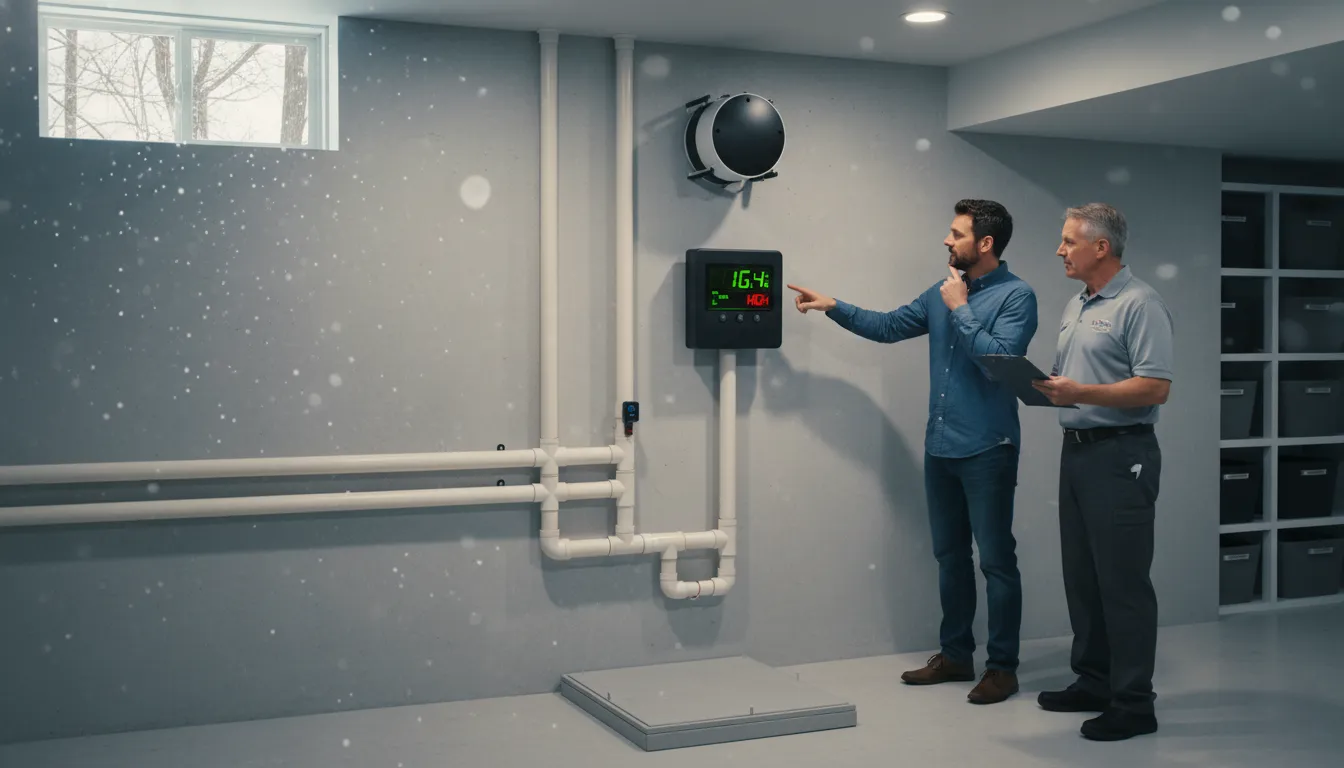
Many homeowners do not realize the fan failed because modern radon fans are relatively quiet. Unless you check the system monitor or manometer regularly, the issue can go unnoticed.
Common fan problems include:
- Electrical failure
- Motor wear
- Moisture damage
- Frozen pipes in cold weather
- Improper fan sizing
- Age related breakdown
Most radon fans last around 5 to 10 years depending on usage and environmental conditions.
Cracks and New Foundation Openings
Even after mitigation is installed, homes continue to settle and shift.
New cracks in basement floors or foundation walls can create fresh entry points for radon gas. If these openings bypass the system suction area, radon levels may rise again.
Common entry points include:
- Floor cracks
- Expansion joints
- Utility penetrations
- Sump pits
- Crawl space seams
- Gaps around pipes
A good mitigation system reduces pressure beneath the slab, but excessive leaks can still overwhelm system performance.
Improper Vent Pipe Placement
The vent pipe location matters more than many homeowners realize.
If the exhaust point is too close to windows, soffits, attic vents, or HVAC intakes, radon gas can re enter the home.
Improper venting may also create condensation issues or airflow restrictions that reduce overall efficiency.
Professional radon mitigation follows strict venting guidelines to keep exhausted radon gas safely away from living spaces.
Crawl Space Problems
Homes with crawl spaces often experience unique mitigation challenges.
If the crawl space membrane is not sealed correctly, radon gas can bypass the system entirely. Tears, loose seams, or poor sealing around piers can reduce effectiveness dramatically.
Moisture can also damage materials over time.
Crawl spaces require careful balancing between ventilation, encapsulation, and sub membrane depressurization.
Blocked or Frozen Pipes
In colder climates, condensation inside vent pipes can freeze and create blockages.
When airflow becomes restricted, the fan cannot maintain proper suction beneath the slab. This weakens the entire mitigation process.
Debris, animal nests, or improper pipe slope can also create obstructions.
Signs of pipe related problems may include:
- Gurgling sounds
- Reduced airflow
- Higher radon test results
- Frost buildup
- Excessive condensation
The System Was Never Tested Properly
Post mitigation testing is critical.
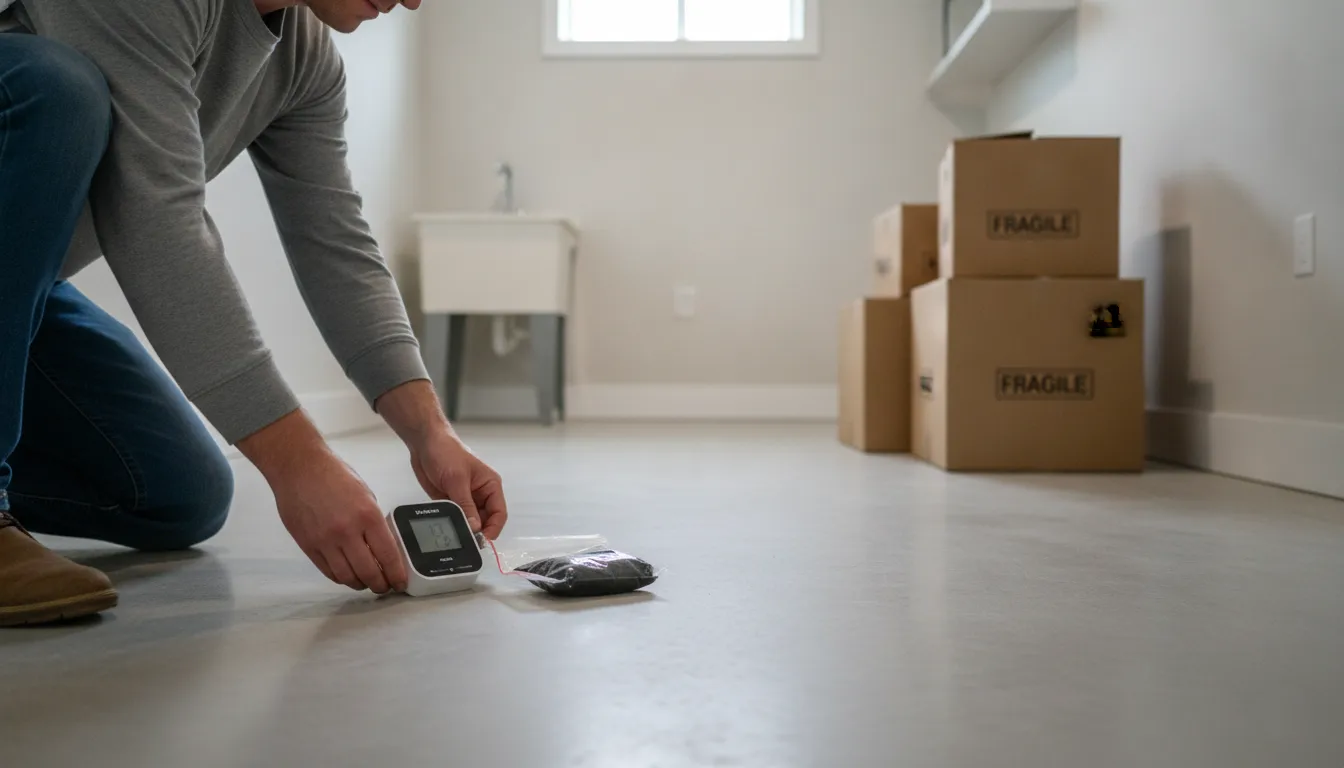
Some homeowners assume the system works simply because it was installed. But without a follow up radon test, there is no way to confirm actual indoor levels.
Testing should happen:
- After installation
- After major renovations
- After foundation repairs
- Every two years minimum
- When buying or selling a home
A system can appear functional visually while still failing to reduce radon adequately.
Warning Signs Your Radon Mitigation System May Be Failing
Radon Levels Start Increasing Again
This is the clearest sign. If a new radon test shows elevated levels after previous successful results, the system needs inspection immediately. Even moderate increases matter because radon exposure builds over time.
Strange Noises from the Fan
Buzzing, rattling, grinding, or humming noises often indicate mechanical wear. Fans should operate smoothly and consistently. Changes in sound can point to failing bearings or airflow problems.
The Manometer Reading Changes
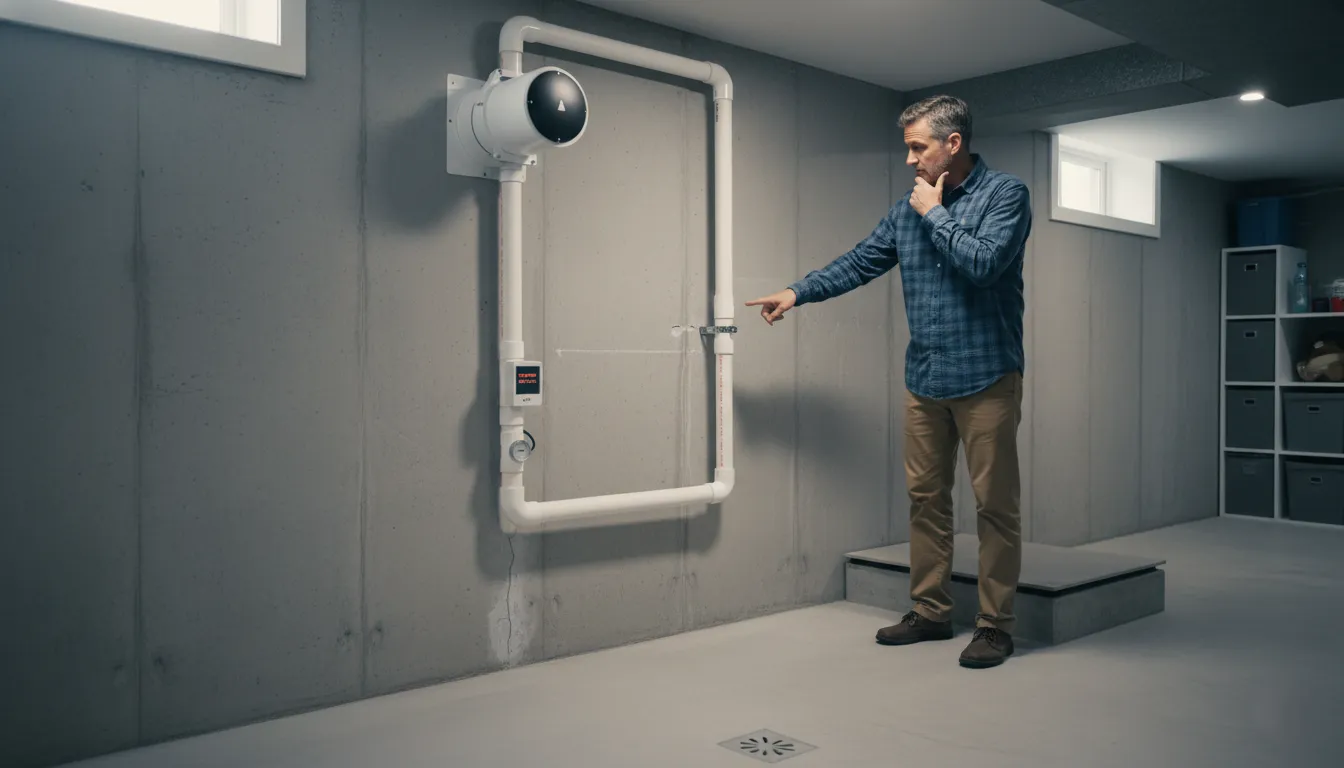
Most mitigation systems include a U tube manometer. This device measures pressure differences inside the system. If the reading suddenly changes or drops to zero, the fan may not be functioning correctly. Homeowners should occasionally check the gauge to ensure the system is operating normally.
Increased Basement Odours or Humidity
Poor airflow beneath the slab can sometimes cause musty odours or moisture changes in basements and crawl spaces. While not always linked directly to radon, airflow changes may signal a ventilation problem.
Higher Energy Bills
- A failing or overworked fan may consume more electricity than normal.
- Air leakage problems can also affect HVAC efficiency and indoor comfort.
Can Radon Levels Rise Again After Successful Mitigation?
Yes. This happens more often than many people expect.
A home that tested low for years can later develop elevated radon due to:
- Structural settling
- Fan aging
- Renovations
- Weather patterns
- New cracks
- HVAC changes
- Added insulation affecting airflow
- Changes in groundwater or soil moisture
This is why periodic testing remains important even after mitigation installation.
How Professionals Diagnose Mitigation Problems
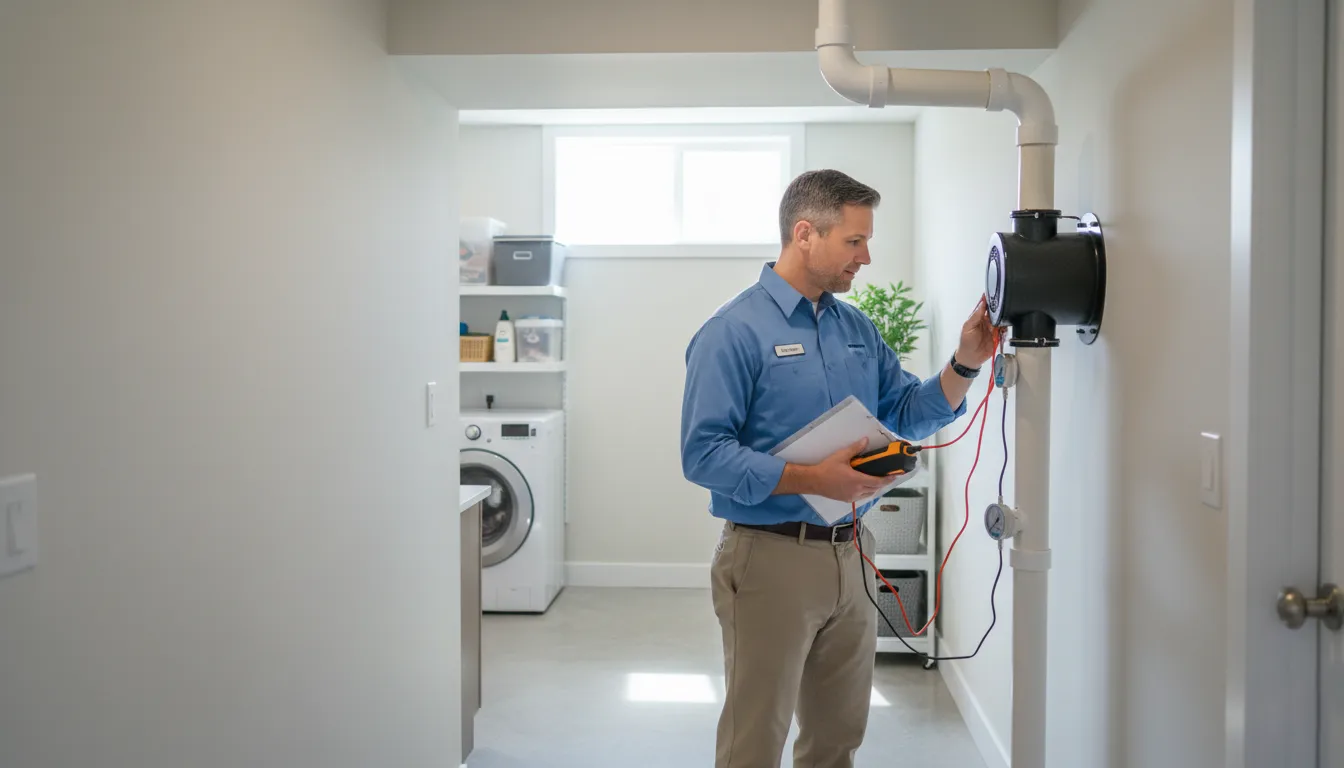
A qualified radon mitigation specialist will typically inspect:
- Fan operation
- Pipe airflow
- System pressure
- Foundation openings
- Crawl space sealing
- Exhaust placement
- Electrical connections
- Radon test history
Advanced diagnostics may include pressure field extension testing or smoke testing to identify hidden leaks. The goal is not just lowering numbers temporarily but creating stable long term radon reduction.
Can DIY Repairs Fix a Failed Radon System?
Small maintenance tasks may be manageable for homeowners, but full system diagnosis usually requires professional evaluation. DIY mistakes can accidentally worsen radon entry or create unsafe venting conditions.
Homeowners can safely:
- Monitor the manometer
- Replace damaged seals
- Check visible pipe connections
- Keep exhaust areas clear
- Schedule regular testing
But fan replacement, suction redesign, or crawl space modifications should generally be handled by certified mitigation professionals.
How to Prevent Radon Mitigation Failure
Test Regularly
Routine testing is the simplest way to catch problems early. Short term tests are useful, but long term radon monitoring provides better insight into seasonal fluctuations.
Maintain the Fan
Check the fan occasionally for:
- Noise changes
- Ice buildup
- Vibration
- Water accumulation
Replace aging fans before complete failure occurs.
Seal New Cracks Quickly
- Foundation openings should be repaired as they appear.
- Even small gaps can affect airflow and radon entry patterns.
Inspect After Renovations
- Finished basements, new flooring, or HVAC upgrades can alter pressure dynamics inside the home.
- Retesting after renovations helps ensure the system still performs properly.
Work With Qualified Professionals
- Certified radon professionals understand airflow science, building pressure, and mitigation standards.
- An experienced installer can identify hidden issues that less experienced contractors often miss.
FAQ
Can a radon mitigation system stop working completely?
Yes. Fan failure, blocked pipes, electrical issues, or major air leaks can cause the system to stop reducing radon effectively.
How often should a radon mitigation system be checked?
Homeowners should visually inspect the system regularly and perform radon testing every two years or after major home changes.
What happens if radon levels stay high after mitigation?
The system may need adjustments, additional suction points, sealing improvements, or fan upgrades.
Do radon fans wear out over time?
Yes. Most radon fans last between 5 and 10 years depending on operating conditions and moisture exposure.
Can weather affect radon mitigation performance?
Yes. Temperature changes, heavy rain, frozen ground, and pressure fluctuations can influence radon levels temporarily.
Conclusion
Radon mitigation systems are highly effective when designed and maintained properly, but they are not immune to problems. Fans fail, foundations shift, pipes clog, and new entry points appear over time. The biggest mistake homeowners make is assuming the system will work forever without testing or inspection.
The good news is that most mitigation failures can be identified and corrected before they become serious health risks. Regular radon testing, routine system checks, and professional inspections help keep indoor radon levels under control long term.
A mitigation system should never be treated as a one time fix. It works best as part of an ongoing approach to maintaining a healthier home environment.