Yes, many buyers care about radon mitigation because it directly affects indoor air safety, long term health concerns, and the overall confidence they feel when purchasing a home. A home with a professionally installed radon mitigation system can often feel safer, more transparent, and better maintained compared to a home with high radon levels and no solution in place.
Why Radon Matters to Home Buyers
Most buyers today spend hours researching neighborhoods, school districts, roofing conditions, plumbing systems, and foundation issues before making an offer. Indoor air quality has quietly joined that list.
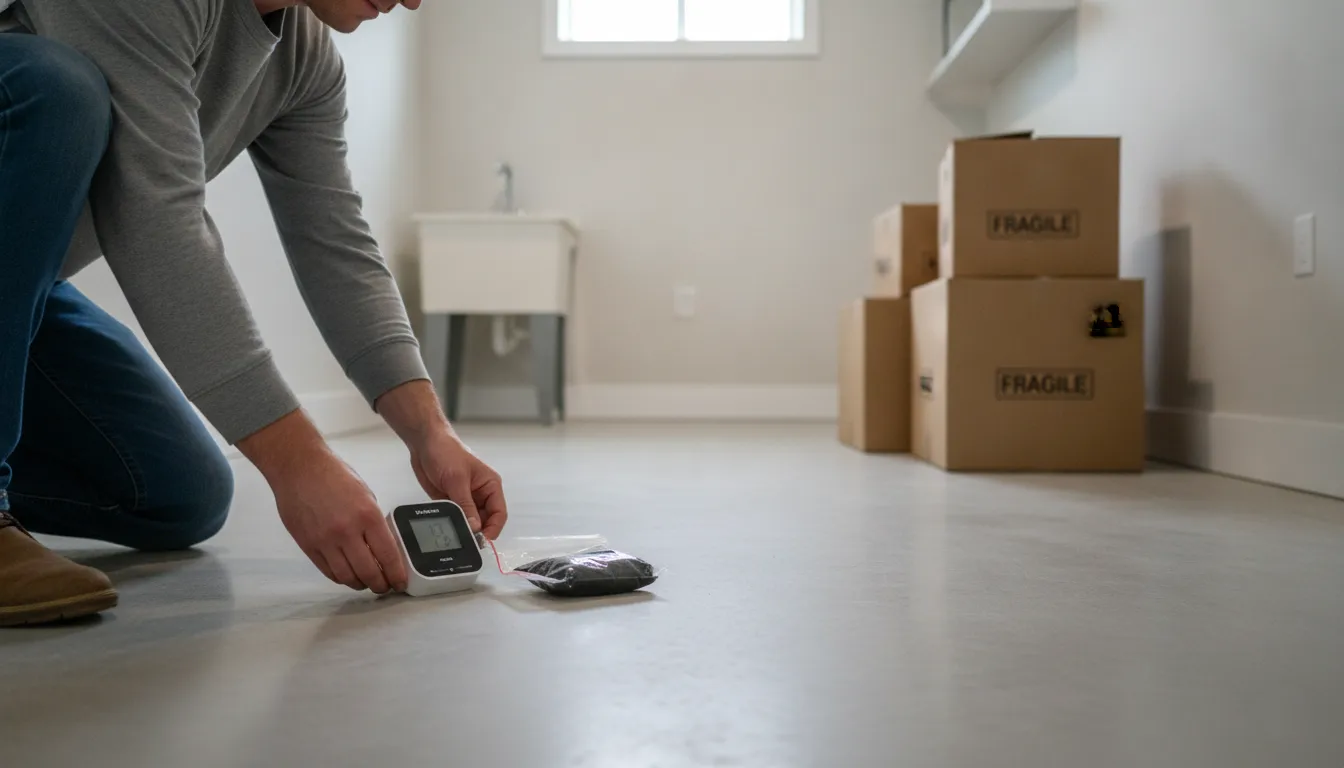
Radon is a naturally occurring radioactive gas that forms when uranium breaks down in soil and rock. It can enter homes through cracks in foundations, crawl spaces, sump pits, and basement floors. Since it is invisible and odorless, homeowners usually discover it only through testing.
For buyers, the concern is simple.
They want to know whether the home is safe to live in.
According to the United States Environmental Protection Agency, long term radon exposure is one of the leading causes of lung cancer among non smokers. That alone changes how buyers view a property during inspections and negotiations.
A high radon reading without a mitigation plan can create hesitation. A properly mitigated home often removes that uncertainty.
Buyers Are More Educated Than Before
Years ago, many buyers had never heard of radon. Today, radon awareness has grown significantly due to:
- Home inspection companies
- Real estate disclosures
- Online research
- Public health campaigns
- Mortgage and insurance discussions
Buyers now regularly ask questions such as:
- Has the home been tested for radon?
- What were the radon levels?
- Was a mitigation system installed professionally?
- Is the system still active and maintained?
- Are post mitigation test results available?
These questions are becoming normal during transactions, especially in areas known for elevated radon levels.
A Mitigated Home Often Feels Like a Lower Risk Purchase
Home buying is emotional.
Even when buyers love a kitchen, backyard, or floor plan, uncertainty can create doubt fast. Radon mitigation helps reduce one of those uncertainties.
A home with an installed mitigation system can signal:
- The seller addressed a known issue responsibly
- The home has already been tested
- Indoor air quality was taken seriously
- The property may require fewer immediate safety upgrades
Buyers often appreciate proactive maintenance because it reduces surprises after closing.
In many cases, a mitigated home can actually feel more trustworthy than a home that has never been tested at all.
Does Radon Mitigation Hurt Home Value?
This is one of the biggest misconceptions homeowners have.
Many sellers worry that installing a mitigation system somehow labels the property as damaged or dangerous. In reality, buyers usually respond better to a solved problem than an ignored one.
Think about it this way.
A buyer comparing two homes may see:
Home A
- High radon levels
- No mitigation system
- No follow up testing
- Unknown long term exposure concerns
Home B
- Professionally mitigated
- Documented test results
- Active radon reduction system
- Transparent maintenance history
Most buyers feel more comfortable with Home B.
A mitigation system shows action, not neglect.
Radon Testing Is Becoming Common During Home Inspections
In many real estate transactions, radon testing is now included alongside standard inspections.
This means buyers may discover elevated levels whether the seller prepares for it or not.
If high radon appears during escrow, several things can happen:
- Buyers request mitigation before closing
- Buyers negotiate credits
- Buyers delay the transaction
- Buyers walk away entirely
Sellers who handle mitigation early often avoid last minute negotiation pressure.
That preparation can help transactions move more smoothly.
What Buyers Actually Think When They See a Radon System
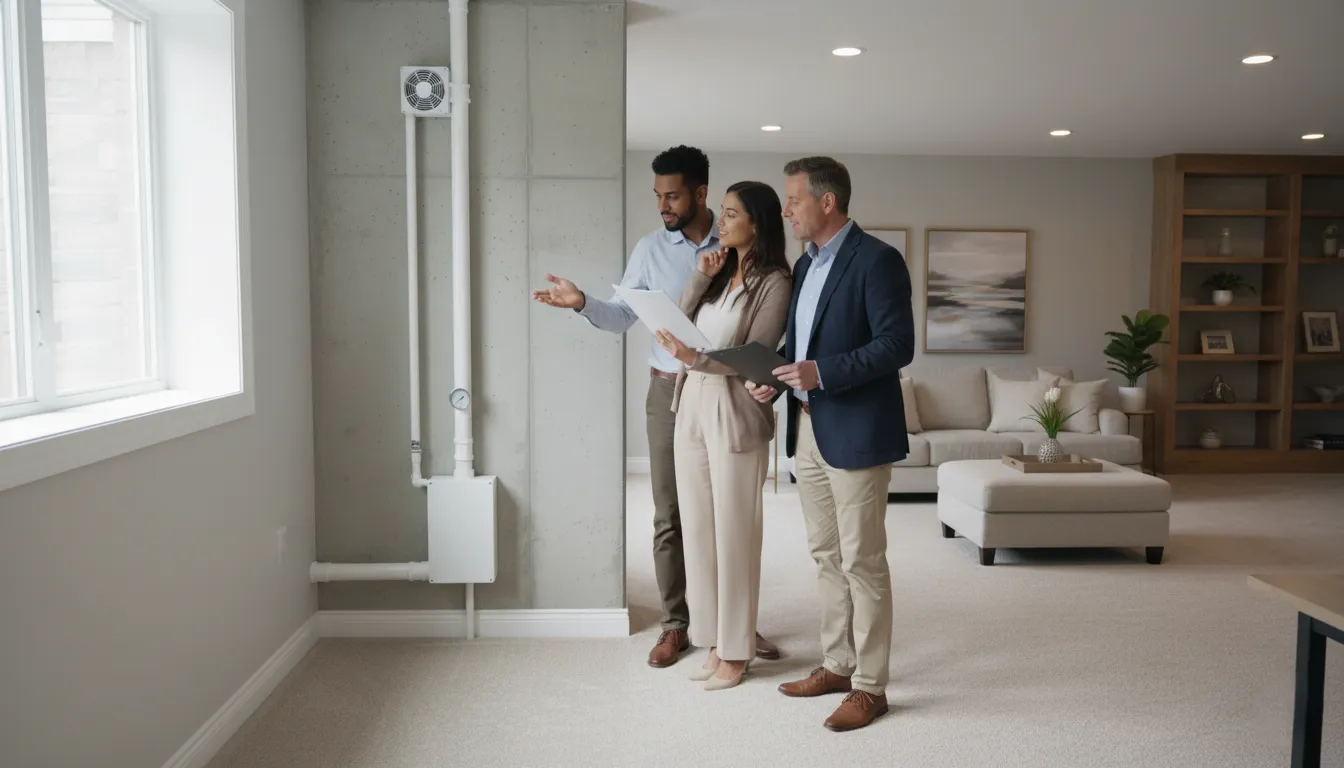
Most buyers do not walk into a basement and panic because they see a mitigation pipe.
In fact, many buyers barely notice it after an explanation.
What matters more is how the system is presented.
When sellers provide:
- Clear documentation
- Installation records
- Recent radon test results
- Professional inspection reports
the system often becomes a reassurance instead of a concern.
Buyers generally respond well to transparency.
Modern Buyers Value Health Focused Homes
Home trends have changed dramatically over the last decade.
Buyers now pay closer attention to:
- Air quality
- Ventilation
- Water filtration
- Mold prevention
- Energy efficiency
- Non toxic materials
Radon mitigation naturally fits into this broader health conscious mindset.
Families with children, retirees, and buyers planning long term occupancy are especially likely to care about environmental safety factors inside the home.
For many of them, mitigation is viewed similarly to smoke detectors or carbon monoxide systems. It is simply part of responsible home ownership.
Real Estate Agents Often Recommend Mitigation Before Listing
Experienced agents understand how inspection surprises affect negotiations.
That is why many now encourage sellers to:
- Test the home before listing
- Install mitigation if needed
- Provide documentation upfront
This approach can help avoid stressful renegotiations later. A proactive seller often appears more credible to buyers. That credibility matters during competitive markets where trust influences decision making.
Can Radon Mitigation Become a Selling Point?
In some markets, yes.
This is especially true in regions where elevated radon levels are common.
Instead of hiding the system, some listings mention:
- Professionally mitigated radon system
- Recent low radon test results
- Improved indoor air safety
- Active air quality measures
These details can help buyers feel more confident during comparisons.
The key is positioning the mitigation as preventive maintenance rather than damage control.
What Buyers Want to See After Mitigation
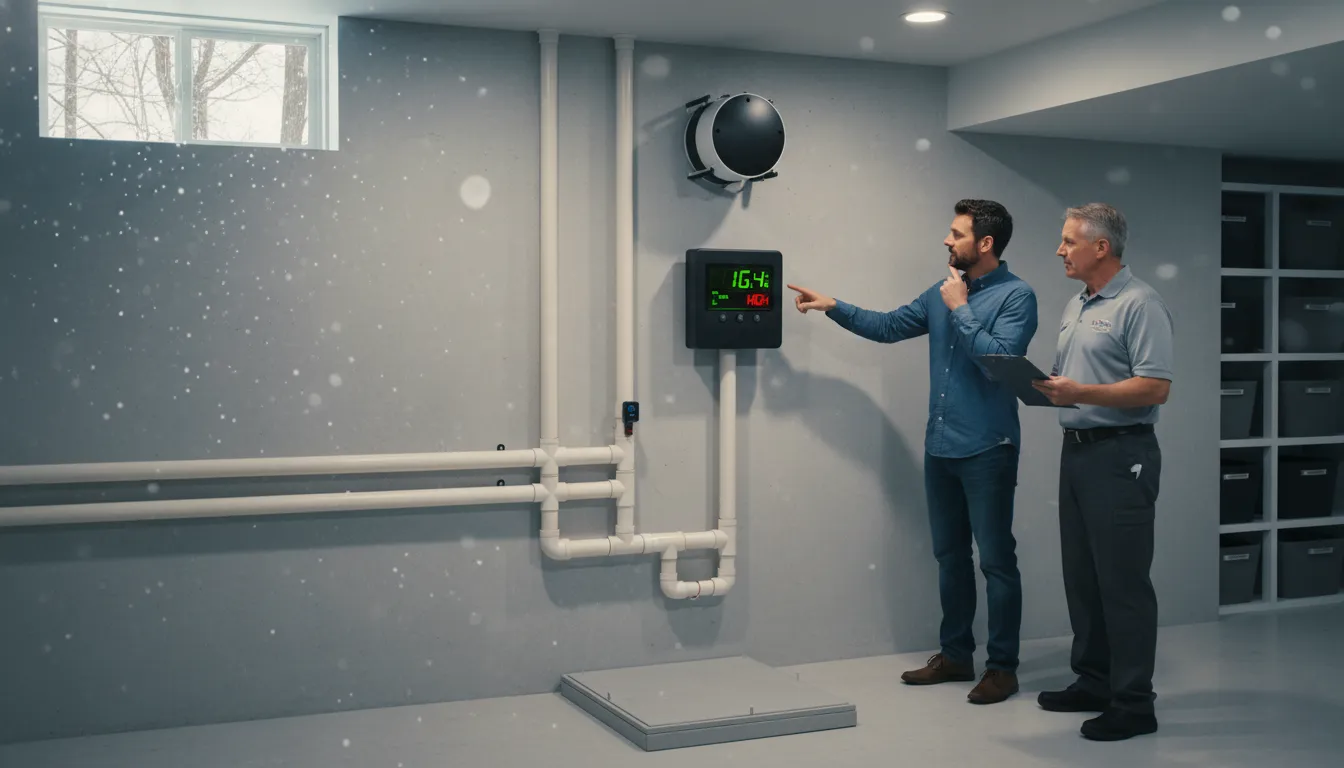
A mitigation system alone is not enough. Buyers usually feel most comfortable when sellers provide proof the system is working effectively.
Helpful documents include:
Radon Test Results
Post mitigation testing that clearly shows reduced radon levels can help reassure buyers that the system is functioning properly. Recent test reports also demonstrate that the homeowner took indoor air safety seriously and verified the effectiveness of the mitigation work.
Installation Information
Professional installation details, contractor information, and service records help buyers understand when the system was installed and whether it was completed correctly. Well organized documentation often creates additional trust during inspections and negotiations.
System Maintenance
Evidence that the radon fan, warning indicators, and monitoring components remain functional can provide buyers with added peace of mind. Basic maintenance records also show that the system has been checked periodically rather than ignored after installation.
Warranty Information
If available, warranty coverage for the mitigation system or fan components can further increase buyer confidence. Transferable warranties may also help reduce concerns about future maintenance or replacement costs.
Simple documentation and organized records can make a noticeable difference during negotiations by reducing uncertainty and improving buyer confidence in the property.
How Radon Mitigation Systems Work
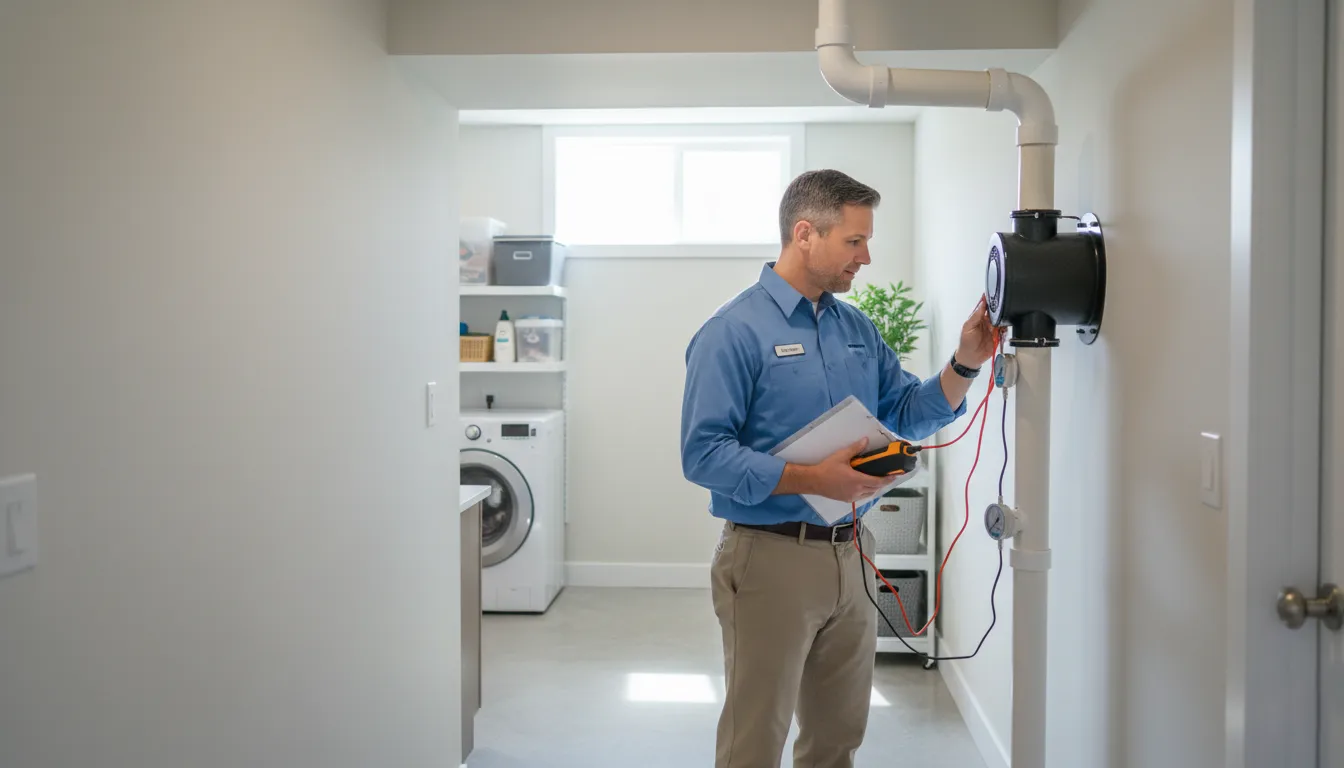
Most residential systems use sub slab depressurization.
This process pulls radon gas from beneath the foundation and safely vents it above the roofline before it enters living spaces.
Common system components include:
- PVC vent piping
- Radon fan
- Suction point
- Monitoring gauge
- Exterior exhaust vent
Modern systems are relatively quiet, energy efficient, and minimally invasive visually. Many buyers see them as routine home infrastructure once they understand their purpose.
Do Buyers Walk Away Over Radon?
Sometimes, yes. But usually not because radon exists.
They walk away when:
- The issue is ignored
- Sellers refuse testing
- Mitigation is delayed
- Documentation is missing
- Trust breaks down during negotiations
Most buyers understand that radon can be addressed professionally. The bigger concern is uncertainty and lack of transparency. A seller who responds responsibly usually keeps the transaction moving forward.
Should Sellers Install Mitigation Before Listing?
In many situations, it makes sense.
Benefits may include:
- Fewer inspection surprises
- Faster negotiations
- Increased buyer confidence
- Better transaction transparency
- Reduced pressure during escrow
Waiting until the buyer discovers the issue can create unnecessary stress and urgency.
Early mitigation often gives sellers more control over cost, contractor selection, and timing.
Buyers Often Compare Prepared Homes More Favourably
A prepared home communicates something important. It suggests the homeowner stayed ahead of maintenance instead of reacting only when problems appeared. That mindset matters psychologically during home shopping.
Buyers tend to feel better about homes where sellers have already addressed:
- Air quality concerns
- Moisture issues
- HVAC maintenance
- Roofing repairs
- Safety upgrades
Radon mitigation becomes part of that larger impression of responsible ownership.
FAQ
Do buyers ask about radon mitigation during home inspections?
Yes. Many buyers now include radon testing during inspections and often ask whether the property has been mitigated previously.
Is a home with radon mitigation harder to sell?
Usually not. Many buyers prefer a mitigated home over a home with unknown radon levels because the issue has already been addressed.
Does radon mitigation increase buyer confidence?
Yes. Proper mitigation with documentation can reduce uncertainty and help buyers feel safer about the property.
Can buyers negotiate after a high radon test?
Yes. Buyers commonly request mitigation, repair credits, or additional testing when elevated radon levels are discovered.
Is radon mitigation considered normal home maintenance?
In many regions, yes. Especially in high radon areas, mitigation systems are becoming increasingly common.
Conclusion
Buyers absolutely care about radon mitigation, but not always in the way homeowners fear.
Most buyers are not scared away by a mitigation system itself. What they care about is whether the issue was handled responsibly, professionally, and transparently.
A home with documented low radon levels and an active mitigation system often feels safer and more trustworthy than a home with unknown air quality conditions.
In today’s real estate market, preparation matters. Sellers who test early, provide documentation, and address radon concerns proactively are usually in a stronger position during negotiations and inspections.