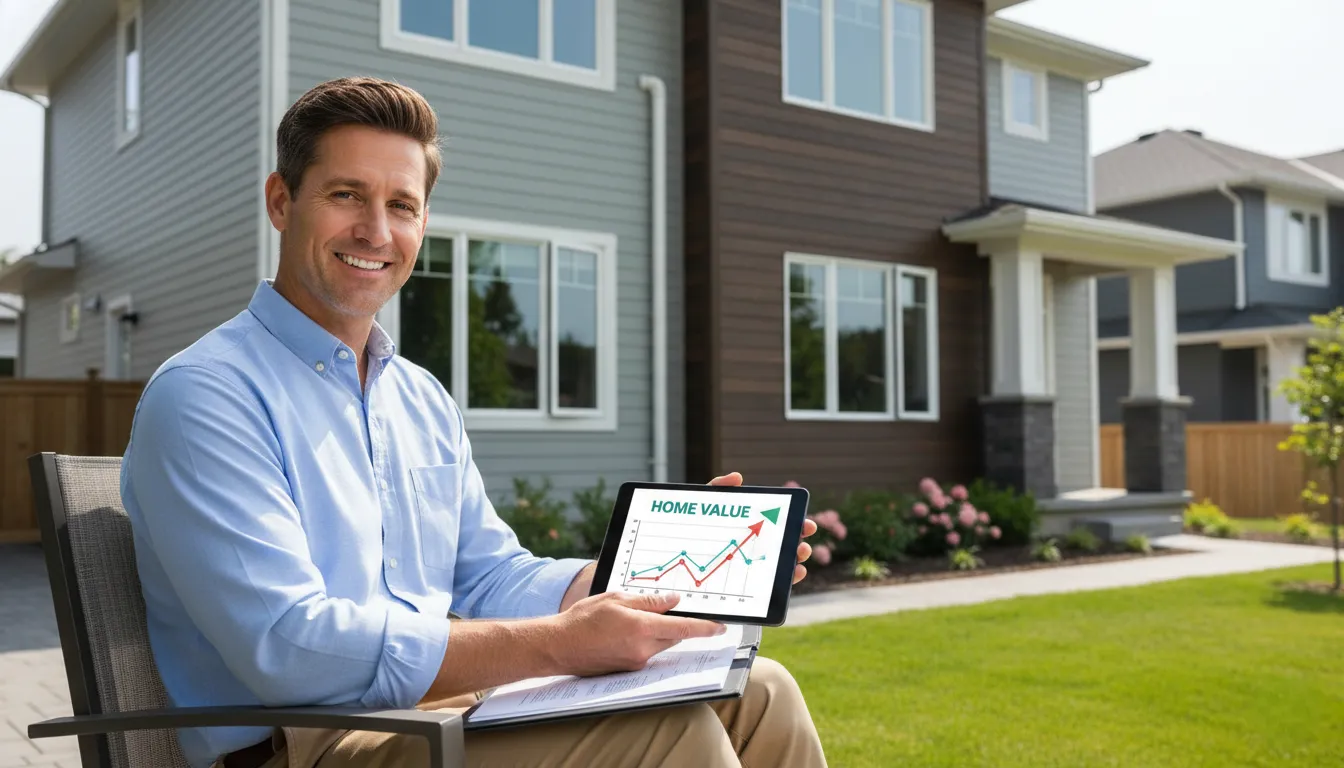
Yes, radon mitigation can increase home value by improving indoor air safety, reducing buyer concerns, and making the property easier to sell. Many homebuyers today are aware of radon risks, especially in areas where elevated radon levels are common. A professionally installed radon mitigation system shows that the home has already been tested and improved, which can help sellers avoid delays during inspections and negotiations.
Does Radon Mitigation Really Matter to Buyers?
Most buyers may not ask about radon during the first home tour, but it often becomes important during the inspection stage. Once a radon test reveals high levels, buyers usually expect the issue to be fixed before closing.
A home with an existing mitigation system often feels less risky to buyers because the problem has already been addressed professionally.
This creates several advantages:
- Fewer negotiation delays
- Reduced chance of losing a sale
- Better inspection results
- Increased buyer confidence
- Stronger perception of home maintenance
In competitive housing markets, even small trust signals can influence purchasing decisions.
What Is Radon and Why Do Buyers Care?
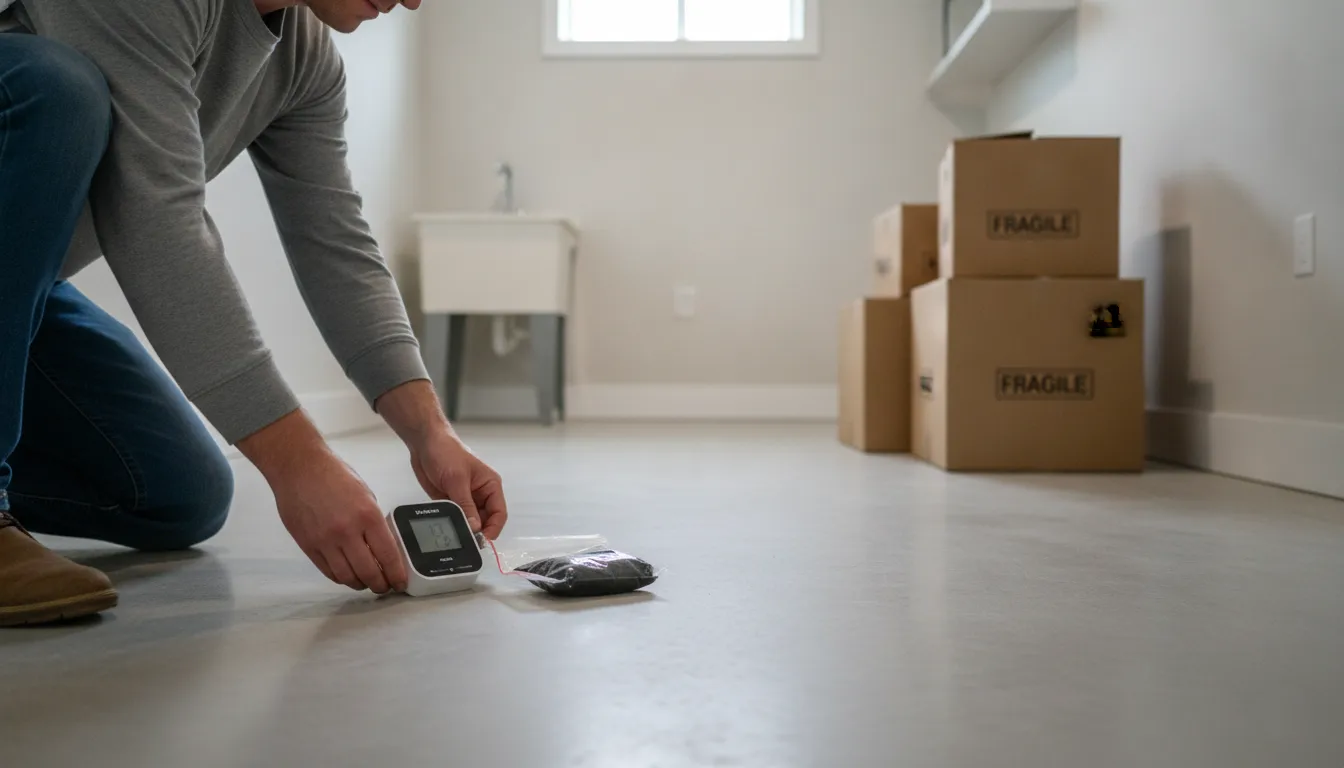
Radon is a naturally occurring radioactive gas that forms from the breakdown of uranium in soil and rock. It can enter homes through:
- Foundation cracks
- Crawl spaces
- Basement floors
- Sump pits
- Pipe openings
According to the United States Environmental Protection Agency, long term exposure to elevated radon levels is one of the leading causes of lung cancer among non smokers.
Because of increased awareness around indoor air quality, buyers today are paying more attention to environmental safety inside homes.
How Radon Mitigation Improves Perceived Home Value
Home value is not only about square footage or finishes. Perceived value matters too.
A buyer walking into a home with documented radon mitigation may see the property as:
- Better maintained
- Safer for family living
- More transparent during disclosure
- Move in ready
- Lower risk after purchase
That perception can directly affect offers and negotiation power.
Many buyers prefer homes where problems have already been solved instead of homes that may require additional work after closing.
Does a Radon Mitigation System Add Resale Value?
In many cases, yes.
A mitigation system may not dramatically raise the appraised dollar value of a home like a kitchen remodel might, but it can protect the existing value of the property.
Without mitigation, elevated radon levels can:
- Reduce buyer interest
- Delay closing timelines
- Lead to repair requests
- Lower offers during negotiations
- Cause failed inspections
With mitigation already installed, sellers can often avoid those issues entirely.
This is especially important in regions where radon testing is common during real estate transactions.
Buyers Often View Mitigated Homes More Positively
Interestingly, some buyers feel more comfortable purchasing a home with an active mitigation system than a home that has never been tested.
Why?
Because testing and mitigation show proof that the homeowner took the issue seriously and addressed it correctly.
A home with no testing history creates uncertainty. Buyers may wonder:
- Has the home ever been tested?
- Could hidden radon problems exist?
- Will mitigation become necessary later?
A mitigated home answers those questions upfront.
How Radon Mitigation Helps During Home Inspections
Home inspections are one of the most stressful parts of selling a property.
If high radon levels appear during inspection, buyers may:
- Request mitigation installation
- Ask for credits
- Delay closing
- Walk away entirely
When a mitigation system is already installed and functioning properly, the process becomes smoother.
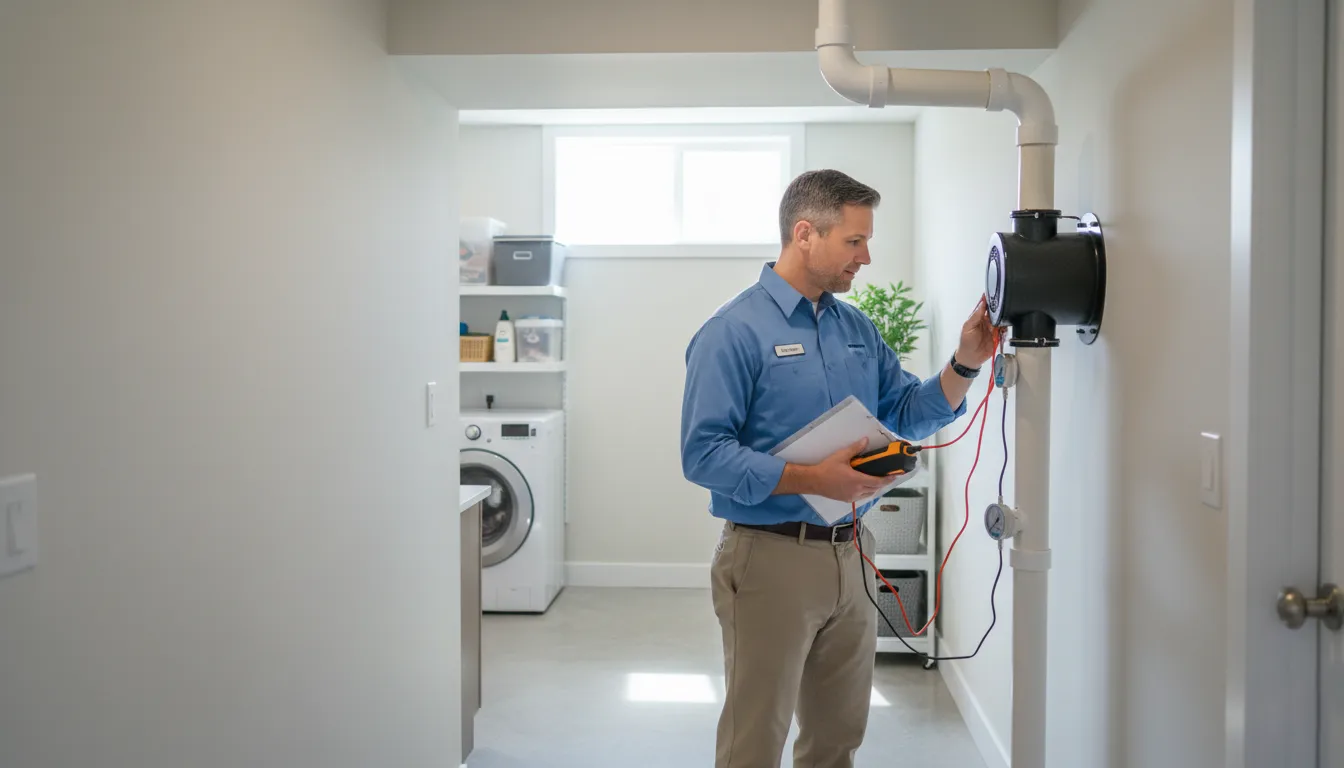
Professional mitigation companies usually provide:
- System installation records
- Post mitigation testing results
- Warranty information
- Fan details
- Maintenance recommendations
These documents help reassure buyers and inspectors.
Modern Radon Systems Are Less Noticeable Than Before
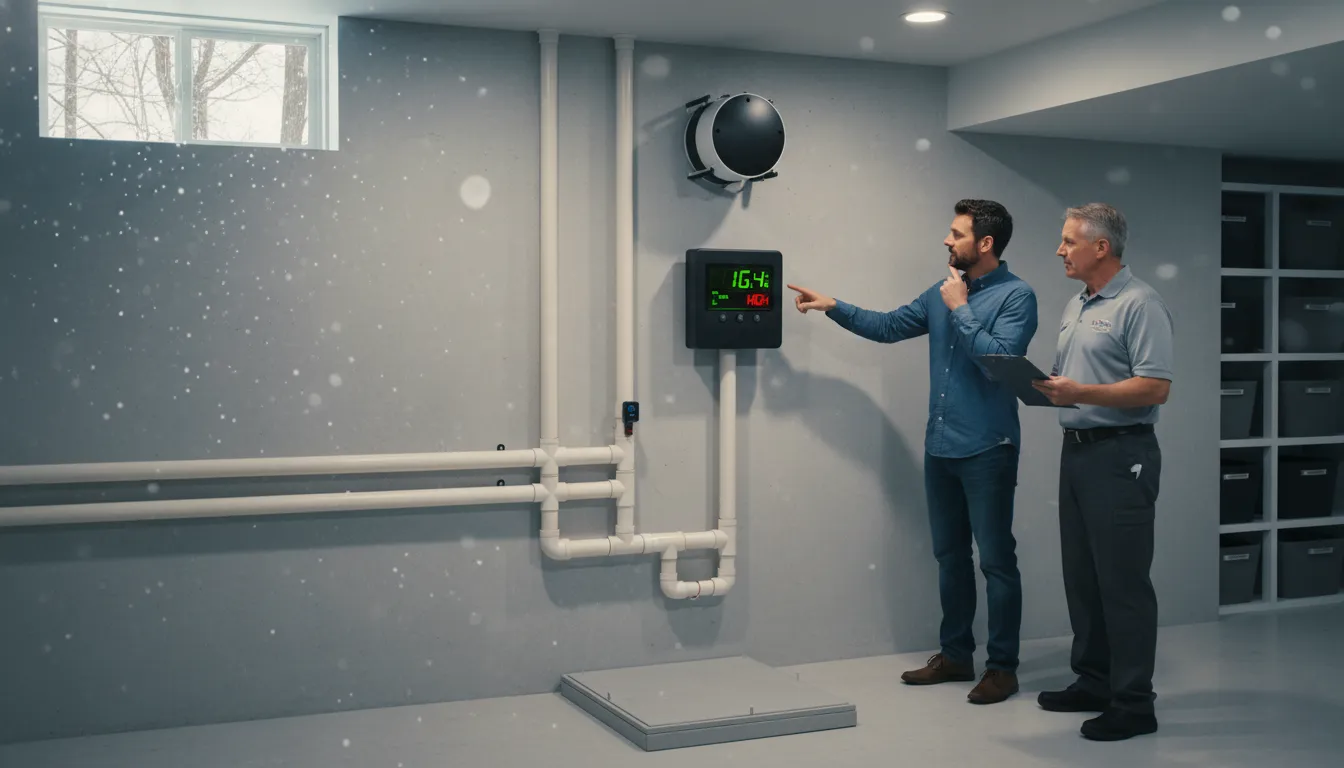
Older mitigation systems sometimes looked bulky or unattractive. Modern systems are cleaner and more discreet.
Today’s systems often include:
- Quiet inline fans
- Exterior vent piping
- Clean basement routing
- Sealed sump systems
- Low visual impact installation
A properly designed system blends into the home much better than many buyers expect.
Areas Where Radon Mitigation Matters More
Radon concerns vary by location. In some regions, testing is extremely common during real estate transactions.
Homes in high radon zones often benefit more from pre installed mitigation systems.
Common high radon areas include parts of:
- Pennsylvania
- Colorado
- Wisconsin
- Minnesota
- Illinois
In these markets, buyers and agents are already familiar with radon testing requirements and mitigation systems.
Does Radon Mitigation Lower Insurance or Energy Costs?
Generally, radon mitigation is not installed to reduce energy bills or insurance costs. However, some systems can slightly improve airflow and moisture control in basements or crawl spaces.
The real value comes from:
- Health protection
- Easier resale
- Buyer reassurance
- Inspection readiness
- Property marketability
That is where homeowners usually see the strongest return.
How Much Does Radon Mitigation Typically Cost?
Costs vary depending on home design, foundation type, and installation complexity.
Most systems include:
- Vent pipe installation
- Suction point creation
- Fan installation
- Sealing entry points
- Post mitigation testing
Compared to the potential impact of a failed home sale, mitigation is often considered a worthwhile investment.
What Buyers Want to See After Mitigation
Buyers are more likely to trust a system when homeowners provide proper documentation.
Helpful records include:
- Radon test results before mitigation
- Radon test results after mitigation
- Installation date
- Company information
- Warranty details
- Maintenance records
Transparency builds confidence during negotiations.
Can Radon Mitigation Make a Home Easier to Sell?
Yes, especially when buyers are already aware of radon concerns.
Homes with unresolved environmental issues can create hesitation. Buyers may fear unexpected costs or future health concerns.
Mitigation removes much of that uncertainty.
Real estate agents often appreciate homes that already have mitigation because:
- Fewer surprises appear during inspections
- Transactions move faster
- Buyer objections decrease
- Repair negotiations become simpler
Even when mitigation does not increase the sale price directly, it can improve the overall selling experience.
What Happens if You Ignore High Radon Levels?
Ignoring elevated radon levels can create long term problems during resale.
Eventually, buyers may discover the issue during testing anyway.
At that point, sellers may face:
- Pressure to reduce price
- Last minute repair requests
- Delayed closings
- Reduced trust
- Lost buyers
Addressing the issue early usually gives homeowners more control over the process.
FAQ
Does radon mitigation increase appraisal value?
Not always directly. However, it can protect the home’s value by preventing inspection problems and buyer concerns during resale.
Will buyers avoid homes with radon systems?
Most buyers today understand that mitigation systems are common and effective. Many feel more comfortable knowing the issue was professionally addressed.
Is a mitigated home safer than an untested home?
In many cases, yes. A mitigated home has documented testing and active reduction measures already in place.
Can radon mitigation help a home sell faster?
It can help reduce inspection related delays and buyer hesitation, which may improve the selling process.
Do all homes need radon mitigation?
No. Homes should first be tested to determine radon levels. Mitigation is recommended when levels exceed safety guidelines.
Conclusion
Radon mitigation does more than improve indoor air safety. It can also strengthen buyer confidence, reduce inspection issues, and make a home easier to sell. While it may not dramatically increase appraised value, it often protects the home’s marketability and prevents costly negotiation problems later.
For many homeowners, mitigation becomes less about adding luxury and more about removing obstacles that could affect a successful sale.