Most homes should install a radon mitigation system when indoor radon levels reach or exceed 4 pCi/L, according to the United States Environmental Protection Agency. You may also need a system sooner if you are buying a home, finishing a basement, noticing rising test results, or living in an area known for elevated radon levels. Early mitigation helps reduce long term exposure and improves indoor air safety.
Why Timing Matters With Radon
Radon is not something you can see or smell. It forms naturally in soil and enters homes through cracks, gaps, sump pits, crawl spaces, and foundation openings. Because it builds up quietly, many homeowners delay action until a home inspection or health concern forces attention.
That delay matters.
Long term exposure to radon is one of the leading causes of lung cancer among non smokers. The risk increases over time, especially in tightly sealed homes with poor ventilation.
Installing a mitigation system at the right time helps prevent years of unnecessary exposure.
The Recommended Radon Level for Action
The EPA recommends taking action when radon levels reach 4 picocuries per liter or higher.
Some homeowners choose mitigation even at lower levels between 2 and 4 pCi/L for additional peace of mind, especially if:
- Children live in the home
- Someone in the household has respiratory conditions
- The home has a basement used daily
- The property is being prepared for resale
- Previous radon tests showed fluctuating readings
Radon levels can change seasonally, so one low test does not always guarantee long term safety.
Signs It Is Time to Install a Radon Mitigation System
Your Radon Test Results Are High. This is the clearest sign. If a certified radon test shows levels above recommended limits, mitigation should move from “eventually” to “now.”
Both short term and long term radon tests can reveal elevated levels. Short term tests provide quick insight, while long term testing gives a more accurate yearly average. Waiting months or years after a confirmed high reading only increases exposure time.
You Are Buying or Selling a Home
Real estate transactions often uncover radon issues.
Many buyers now request radon testing during inspections, especially in regions known for elevated underground uranium deposits. A home with an existing mitigation system can often feel more trustworthy to buyers because the issue has already been addressed professionally.
If you are buying a home with elevated radon levels, it is smart to install the system before moving in. If you are selling, installing a system beforehand may help avoid delays during negotiations.
You Recently Finished a Basement
Finished basements create more usable living space, but they also increase the chance of daily radon exposure.
A basement that once stored boxes may now become:
- A family room
- Home office
- Gym
- Bedroom
- Entertainment area
That means more time spent in the part of the home closest to radon entry points.
If you recently remodeled a lower level, testing for radon should become part of the process.
Your Home Is in a High Radon Area
Some geographic regions naturally contain higher radon concentrations due to soil composition.
Homes in these areas are more likely to test high regardless of:
- Home age
- Property size
- Foundation type
- Neighborhood income level
Even newly built homes can develop elevated radon levels.
If your neighbors have installed mitigation systems, your property should probably be tested too.
You Notice Radon Levels Rising Over Time
Radon levels are not fixed. Changes in weather, soil moisture, foundation settling, HVAC systems, and home renovations can affect readings. A house that tested low years ago may test high today.
This is why periodic testing matters, especially after:
- Structural changes
- Foundation repairs
- Window replacements
- Basement waterproofing
- New insulation installation
If readings begin climbing consistently, it is time to consider mitigation.
What a Radon Mitigation System Actually Does
Many homeowners imagine complicated construction when they hear the word “mitigation.” In reality, most systems are straightforward and minimally invasive.
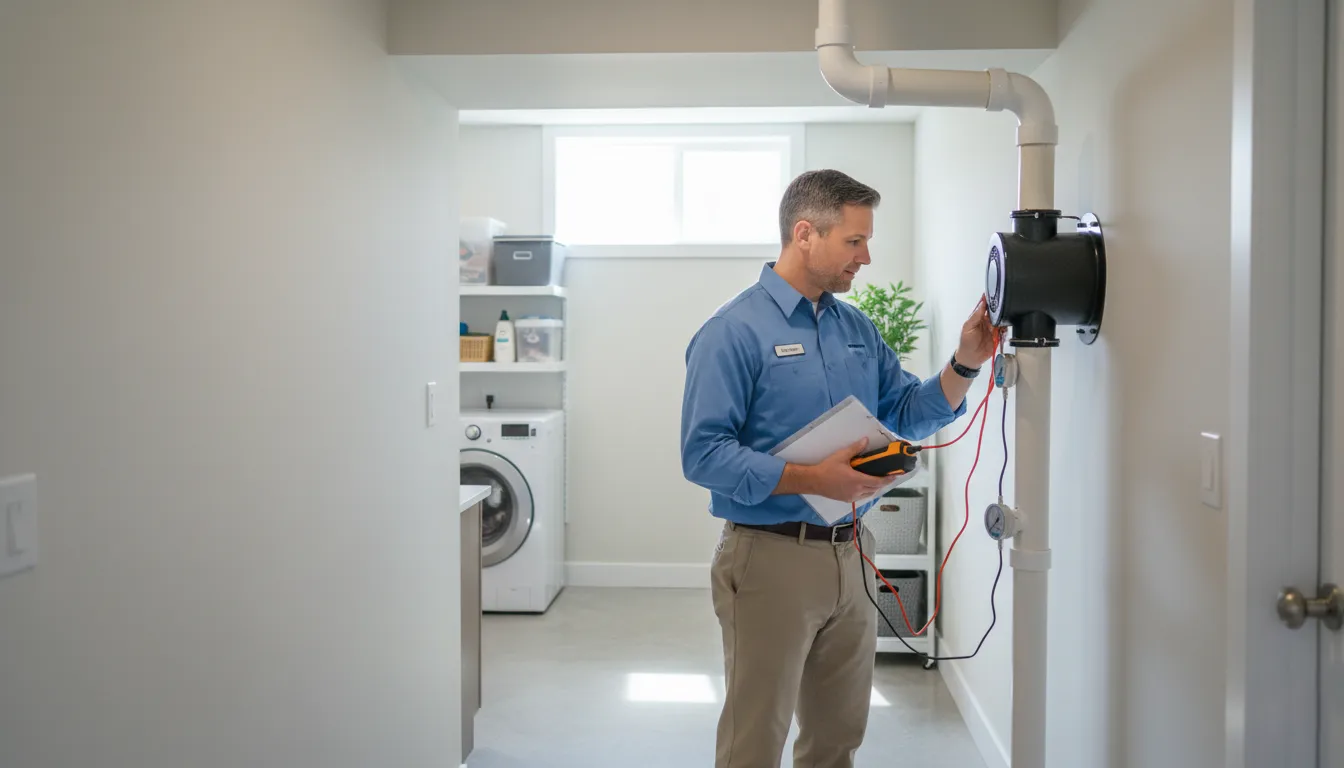
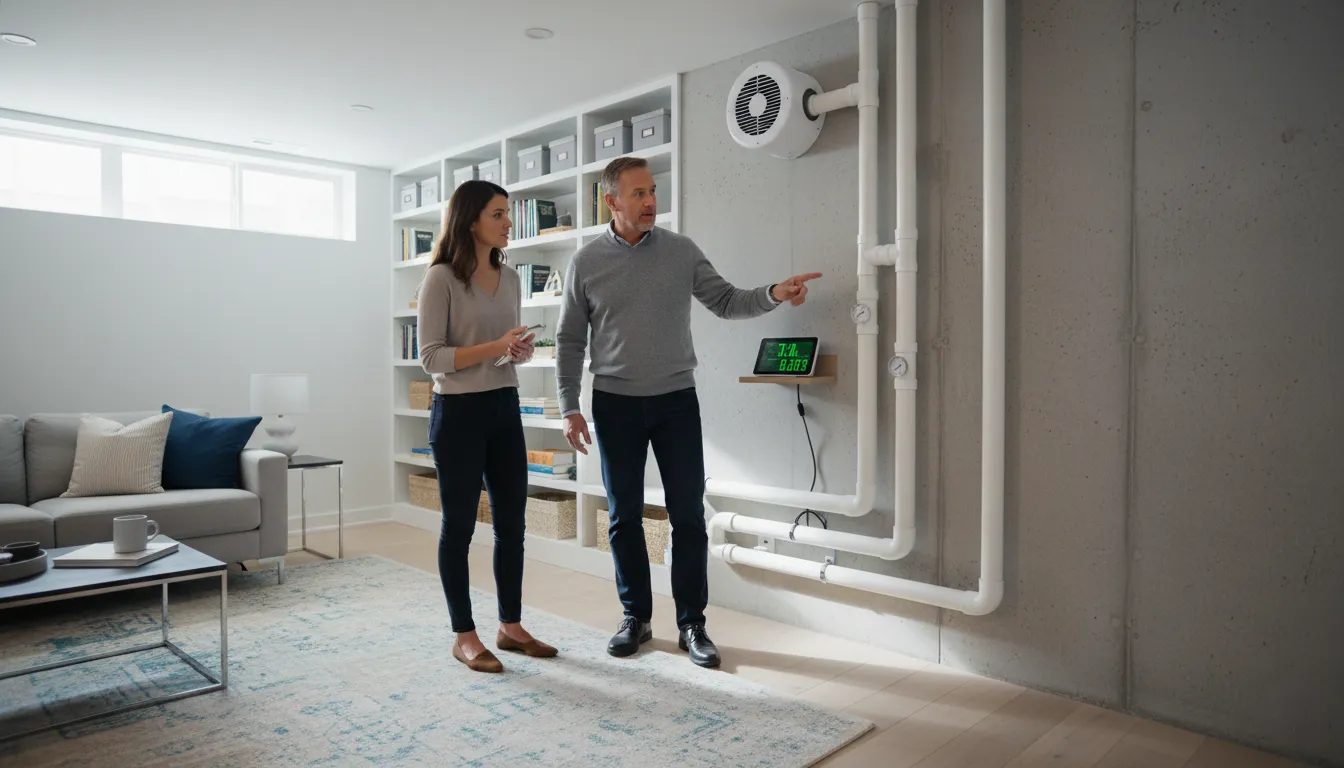
A standard radon mitigation system usually includes:
- PVC vent piping
- A specialized radon fan
- Sealing of entry points
- Exhaust venting above the roofline
The system creates negative pressure beneath the home, preventing radon gas from entering indoor spaces. Most installations are completed within a single day.
Types of Homes That Often Need Mitigation
Certain home styles are more vulnerable to elevated radon levels.
Homes With Basements
Basements sit directly against the soil where radon gas naturally forms. Cracks in concrete floors, slab joints, sump pits, and small foundation openings can create easy entry points for radon to move into the home and collect in lower living areas.
Crawl Space Homes
Homes with crawl spaces, especially those with exposed soil or poor vapor barriers, can allow radon gas to accumulate beneath the structure. Over time, the gas may enter living spaces through gaps, flooring penetrations, and air movement between the crawl space and the home above.
Slab on Grade Homes
Even homes without basements can experience radon intrusion. Radon gas may enter through foundation cracks, plumbing penetrations, expansion joints, or tiny gaps around utility lines in slab on grade construction.
Energy Efficient Homes
Modern energy efficient homes are built to reduce air leakage and improve indoor temperature control. While this improves efficiency, tighter construction can also trap gases more effectively inside the home, including radon, especially when ventilation is limited.
Should You Install a System Before Testing?
No.
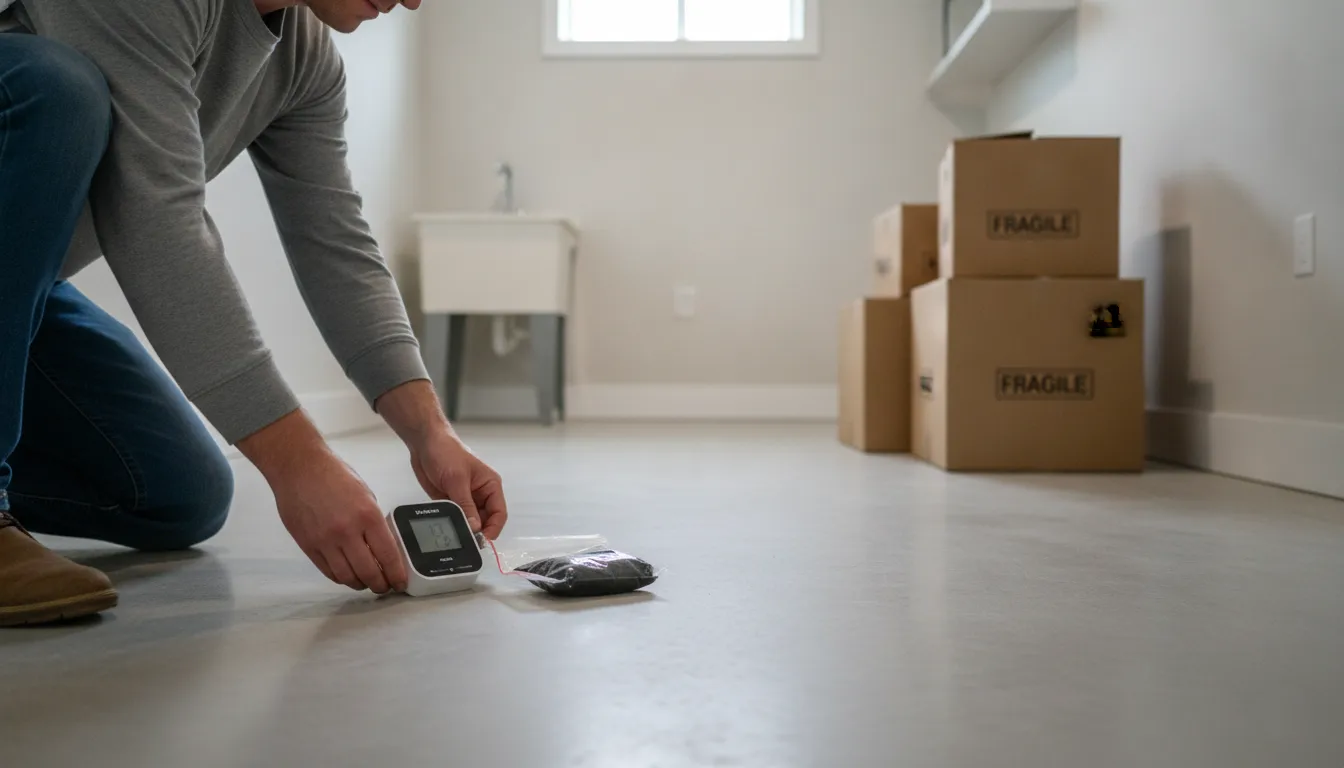
Testing should always come first because not every home has elevated radon levels. A professional radon test or approved DIY test kit provides the information needed to make a smart decision.
However, some builders now include passive radon systems during construction in areas known for high radon activity. These systems can later be upgraded to active systems if needed.
The Best Time of Year to Install a System
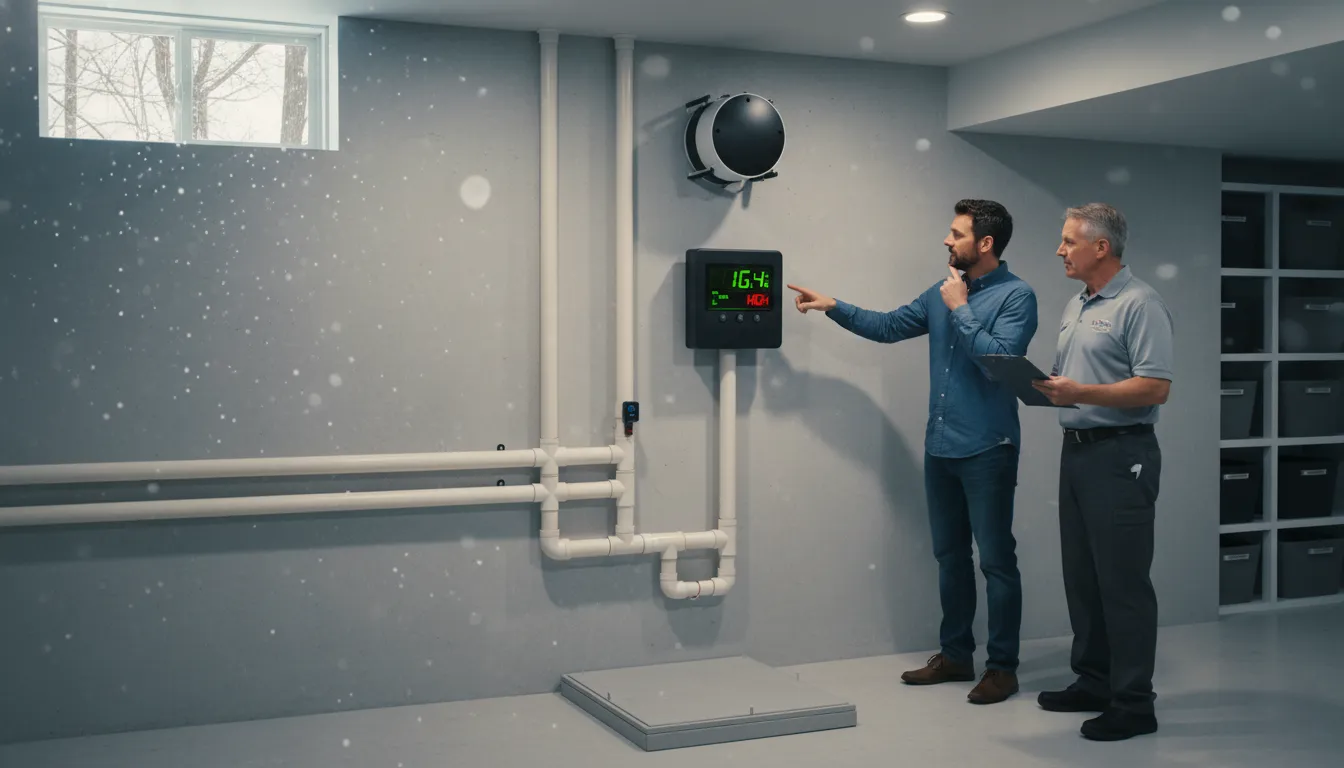
Radon mitigation can be installed year round, but colder months often reveal the highest readings because homes stay sealed longer.
Winter testing may provide a clearer picture of worst case exposure levels. That said, there is no bad season for mitigation once high levels are confirmed. The best time is simply as soon as possible after receiving elevated test results.
What Happens After Installation
After installation, another radon test confirms the system is working correctly. Most systems significantly reduce radon levels within 24 hours. Homeowners should continue testing every few years to ensure long term performance.
Fans may eventually need replacement after several years of operation, but overall maintenance is usually minimal.
Common Misunderstandings About Radon Mitigation
“Only Old Homes Have Radon”
False.
New construction can also develop elevated levels.
“If My Neighbor Has Radon, I Definitely Will Too”
Not always.
Two homes side by side can produce very different results.
“Radon Problems Are Rare”
Actually, millions of homes worldwide contain elevated radon concentrations.
“Opening Windows Solves the Problem”
Temporary ventilation may reduce levels briefly, but it is not a reliable long term solution.
How Radon Mitigation Improves Indoor Air Quality
Radon reduction is not just about meeting guidelines. It is about improving the quality of the air your family breathes every day.
Lower radon levels can help create:
- Safer indoor environments
- Better long term air quality
- Healthier basement living spaces
- Greater confidence during home ownership
Many homeowners report peace of mind after installation because they know the issue is actively managed rather than ignored.
FAQ
How do I know if I need a radon mitigation system?
You need a mitigation system if testing shows radon levels at or above 4 pCi/L. Some homeowners install systems at lower levels for added protection.
Can a new house still have radon?
Yes. New homes can still develop elevated radon levels depending on soil conditions and construction methods.
How long does radon mitigation installation take?
Most residential systems are installed within one day.
Does radon mitigation increase home value?
While it may not directly raise value, it can improve buyer confidence and help avoid issues during home inspections.
Should I retest after installing a system?
Yes. Post mitigation testing confirms the system is reducing radon effectively.
Conclusion
Knowing when to install a radon mitigation system comes down to one thing: verified exposure risk. If testing shows elevated radon levels, delaying action only extends the amount of time your household breathes contaminated indoor air.
Whether you are buying a home, finishing a basement, preparing to sell, or simply staying proactive about indoor air quality, mitigation offers a practical and proven solution. Testing early and responding quickly can make a meaningful difference in the long term safety of your home.